

Rebbe Chanina and the City of the Deer
Before formerly inaugurating Aharon and his sons as kohanim, Hashem instructs Moshe Rabbeinu to gather all of Klal Yisrael to the opening of the Ohel Moed. Moshe dutifully does so, allowing all of Bnei Yisrael to witness the proceedings inside the courtyard of the Mishkan. Rebbe Elazar, the great student of Rebbe Akiva, notes that […]
Explore more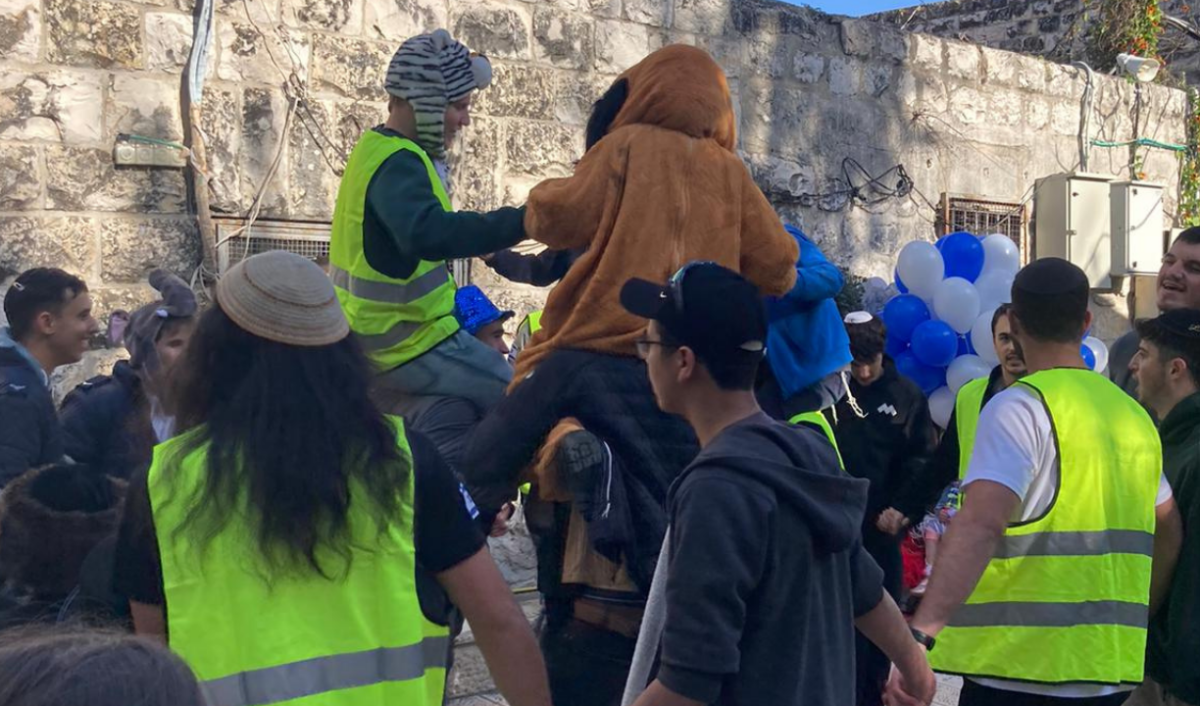
VeNahaphoch Hu
The entire story of Megillat Esther takes place in Shushan, the capital city of the Persian empire, located in modern day Iran. No explicit reference is made to Eretz Yisrael, other than the megillah noting Mordechai’s exile from Yerushalayim years before. Haman’s rabid hatred of the Jewish people seems to be directed at the Jews […]
Explore more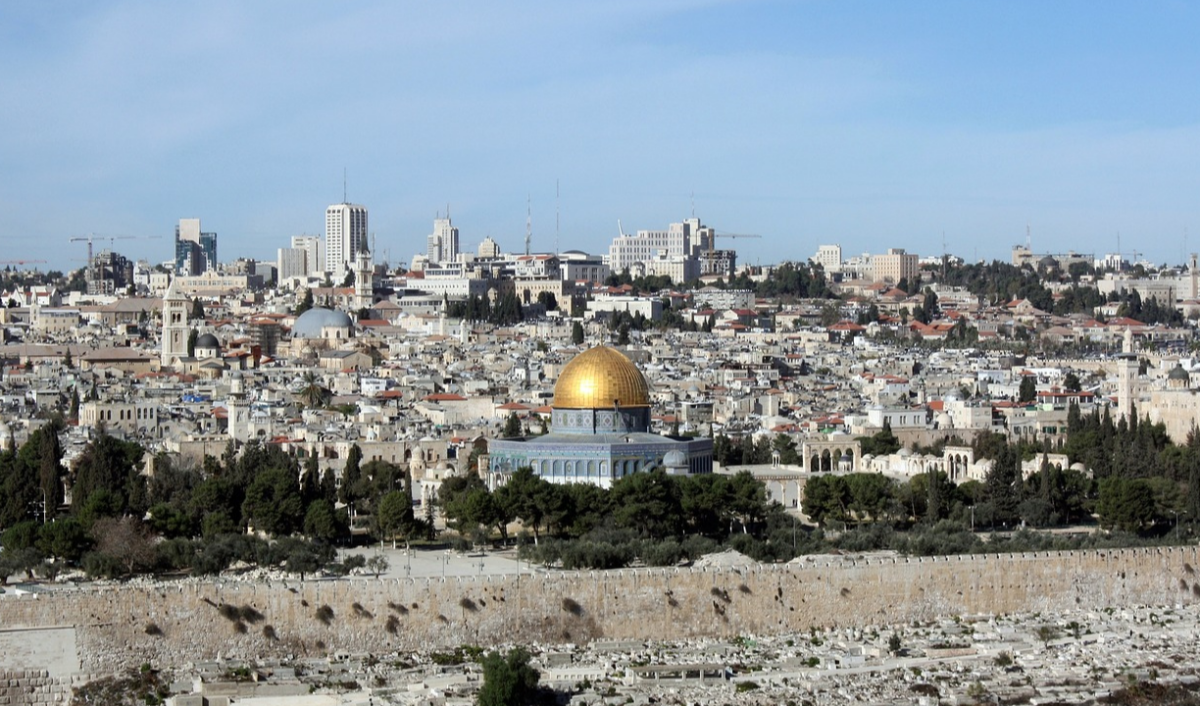
Heart of the World
In the third chapter of Shir HaShirim, the megillah makes several references to “HaMelekh Shlomo.” The perek ends with a stirring reference to the crown placed onto the Melekh’s head ביום חתנתו וביום שמחת לבו, “on his wedding day and on the day of his heart’s bliss”. Hazal interpret the phrase HaMelekh Shomo as an […]
Explore more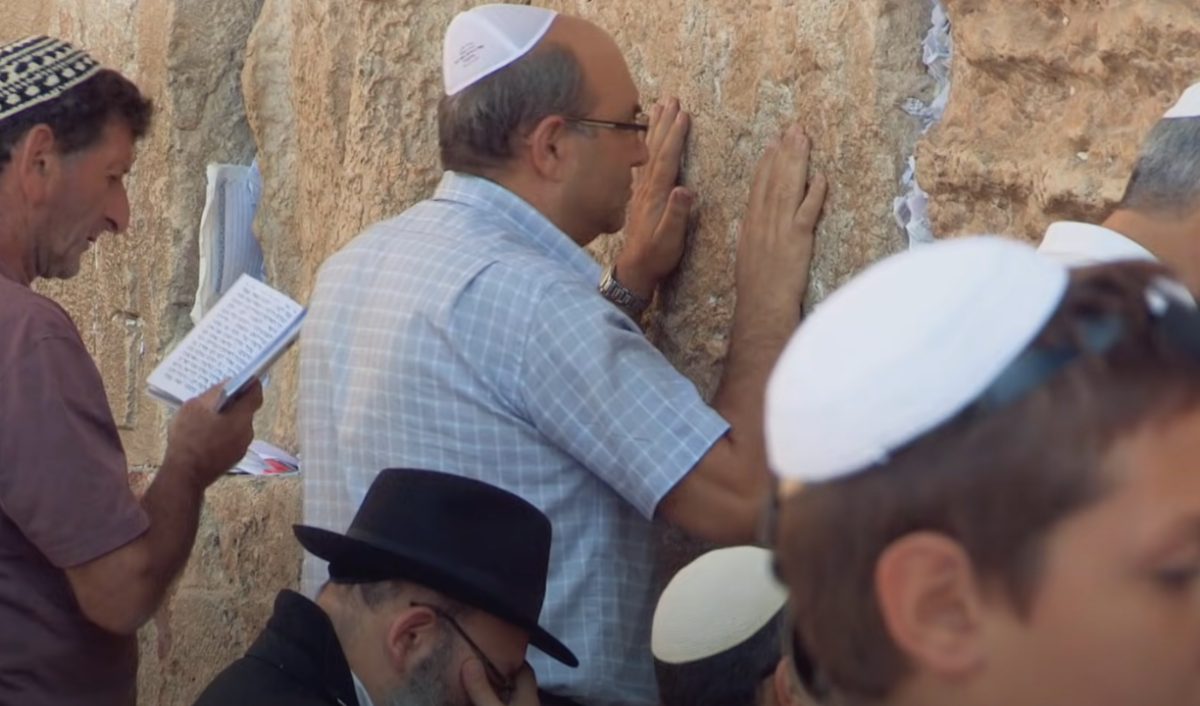
Joy of All the Earth
Every Monday, we recite a stirring ode about the beautiful city of Yerushalayim from Tehillim chapter 48. The Bnei Korah describe Jerusalem as the יפה נוף משוש כל הארץ, fairest of sites, joy of all the earth. Based off this verse, Rebbe Yochanan (in Midrash Rabbah Pekudei 52:5) describes a peculiar phenomenon that took place […]
Explore more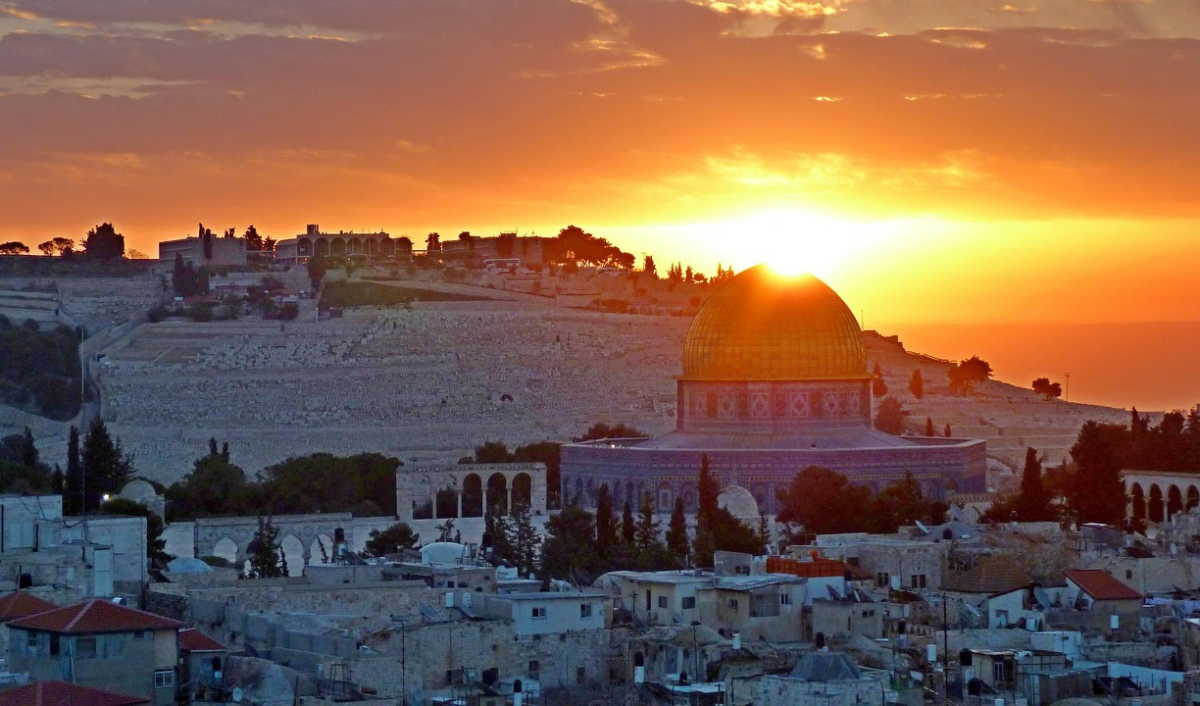
Uniting the Sun and Moon Over Jerusalem
Even a casual perusal through Torah and our liturgy reveals deeply rooted connections between David HaMelekh and the moon. Not surprisingly, when we sanctify the new moon monthly, we make reference to David’s immortal reign over the destiny of Klal Yisrael, as promised by Hashem on so many occasions. דוד מלך ישראל חי וקיים. Just […]
Explore more
The High Priest in Jerusalem
The Kohen Gadol is possibly the most rarefied and sublime figure in the Torah. Bedecked with an extra four articles of clothing to demarcate him as distinct from other kohanim, he stands alone in his halachik uniqueness. He is the only one who can enter the Holy of Holies on Yom Kippur and the only […]
Explore more
And They Shall Make Me a Sanctuary: Revealing the True Capacity of a Jew
In this week’s parsha, the Bnei Yisrael are given a commandment to build a Mikdash for Hashem. ועשו לי מקדש, and they shall make a sanctuary for Me. Conventionally, we would translate the words of Mishkan and Mikdash as sacred locations dedicated to the resting of the Divine Presence in this world. This Divine Sanctuary […]
Explore more
Hashem’s Eternal City, Hashem’s Eternal People
In one of the darkest moments in Jewish history, Sefer Melakhim (1:11:29-39) describes the encounter between Ahiya HaShiloni and Yerov’am ben Nevat in which Hashem promises to split Bnei Yisrael between two kingdoms. Ahiya tears apart a beautiful new garment into twelve pieces, giving ten of those pieces to Yerov’am. These portions represented the ten […]
Explore more
The Lion’s Roar
As HaKadosh Barukh Hu revealed himself to humanity with the mass revelation at Matan Torah, Hazal explain that the entire universe went silent (Shemot Rabbah 29:9). No birds flew, no oxen lowed, no angels took flight, and the sea ceased flowing as Hashem declared “Anohi Hashem Elokekha”. Even the heavenly and angelic Seraphim muted their […]
Explore more
Just Five Minutes
This past week, Rav Zevulun Charlop tz’l, dean of RIETS for over 30 years, was niftar at the age of 94. While I unfortunately joined RIETS after Rav Charlop’s retirement, I still had the distinct zechut to interact with this great talmid hakham and hear Torah from him on several occasions as a student in […]
Explore more