No products in the cart.
Shiloach Under Fire: Burned Apartments, Rockets… and a Relentless Return
-
by
David Mark
- No Comments on Shiloach Under Fire: Burned Apartments, Rockets… and a Relentless Return
The message coming out of Shiloach this week is not just about property damage. It is about a pattern—one that has repeated itself for over a century in Jerusalem—and the deeper question of who ultimately endures.
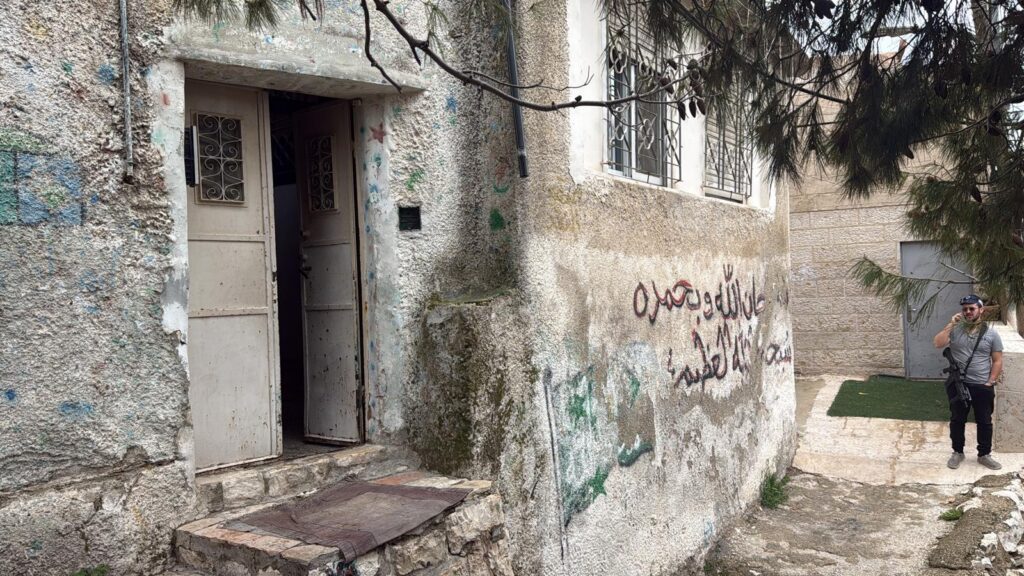
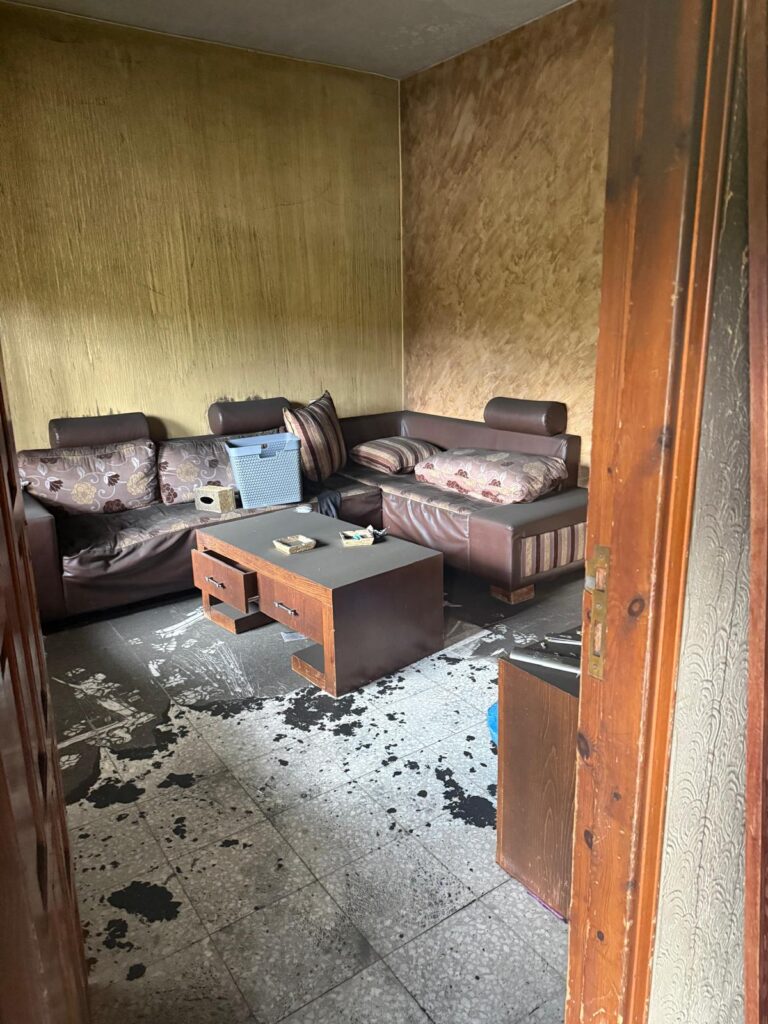
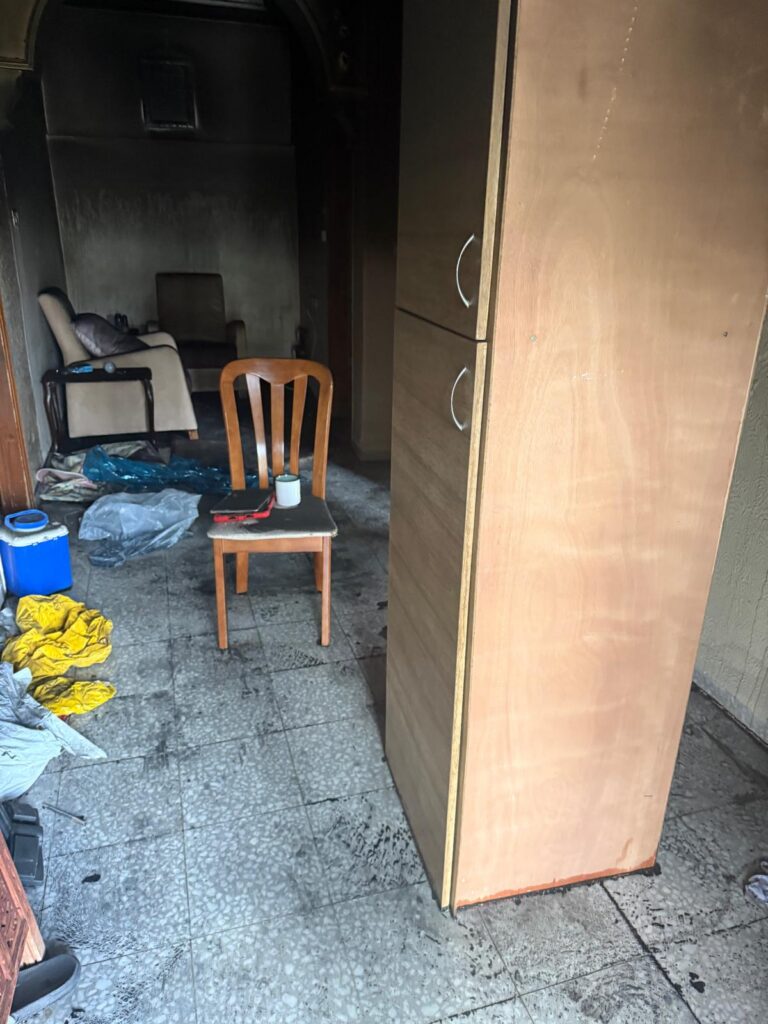
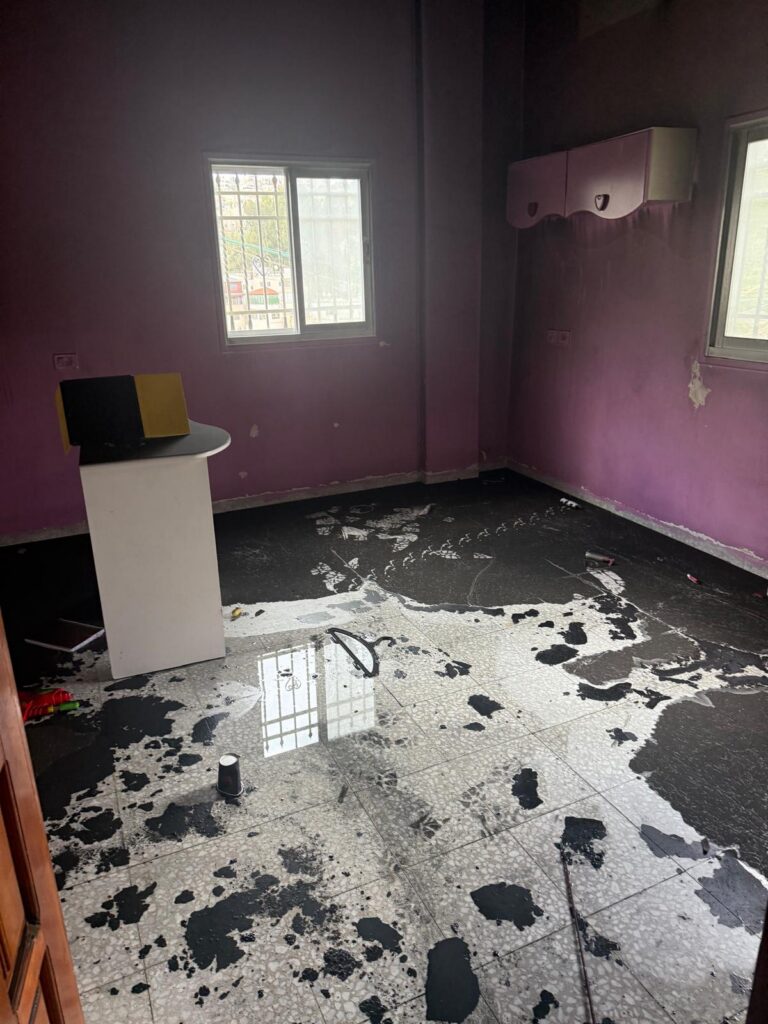
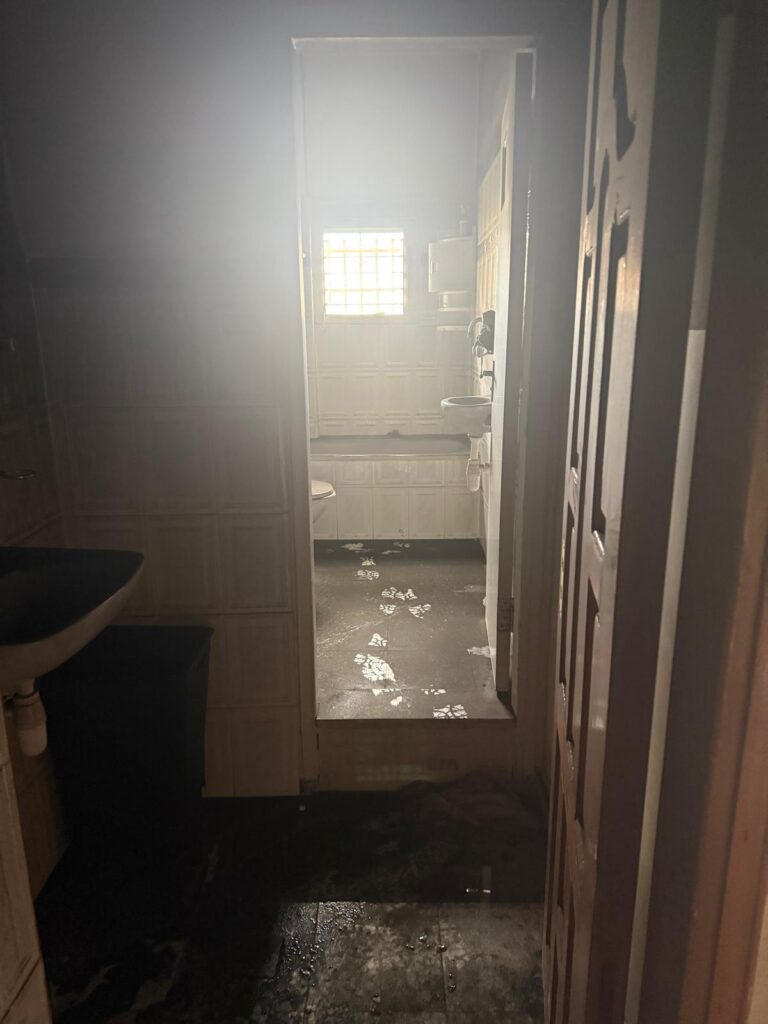
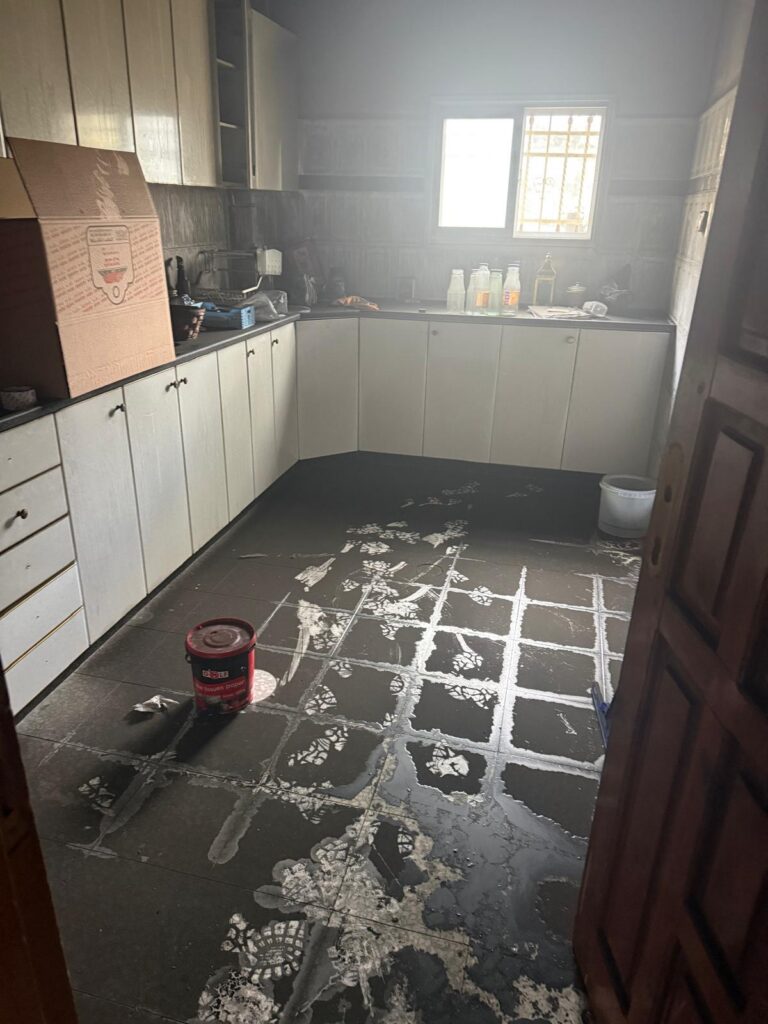
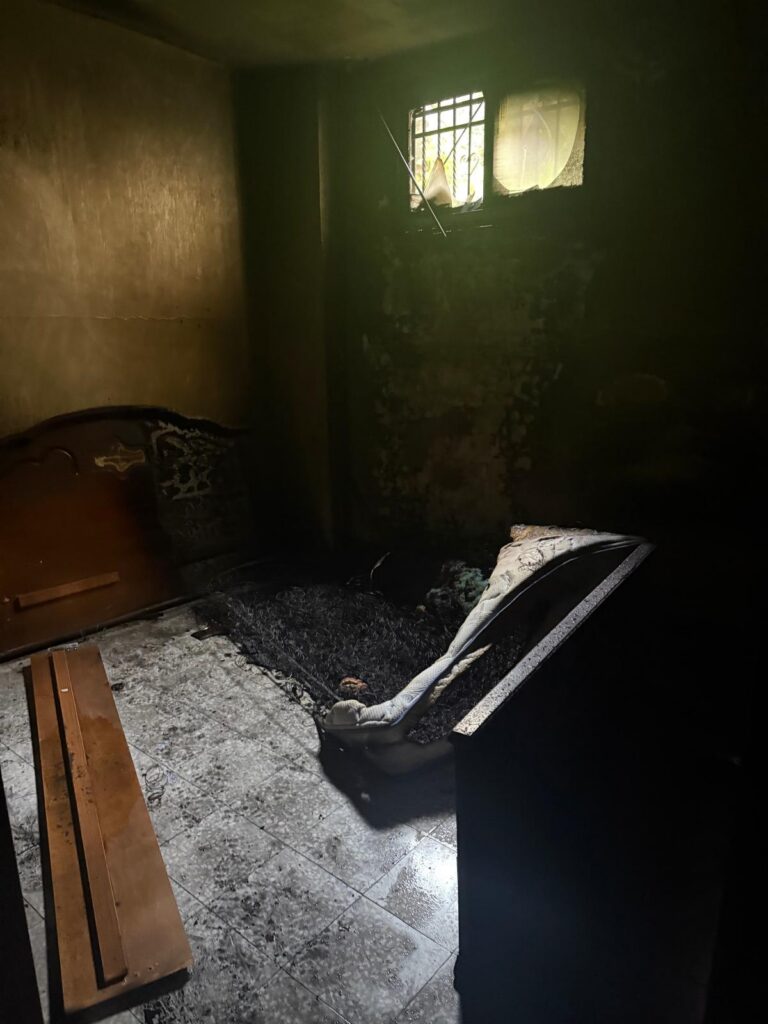
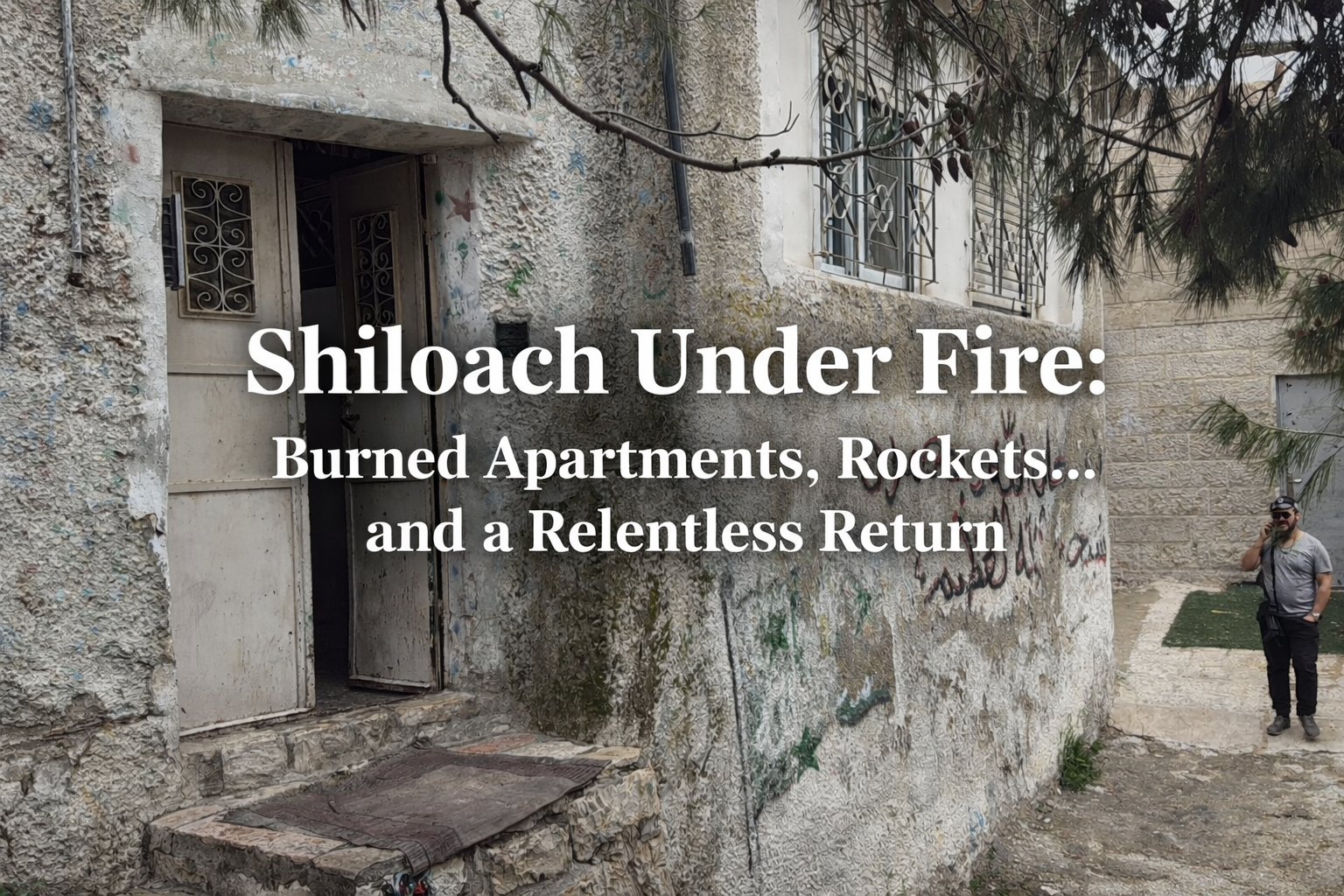
According to reports from the ground, apartments in Shiloach that were expected to be reclaimed after Ramadan were instead set ablaze. The images are familiar: blackened walls, charred interiors, another attempt to erase a Jewish foothold in one of the most historically contested areas of the city. It is not the first time. It will not be the last.
What stands out is not only the destruction itself, but the strategic logic behind it. Fire, intimidation, and sporadic violence are not random acts; they are tools meant to reshape reality on the ground. The goal is simple: make Jewish return seem costly, unstable, and ultimately unsustainable.
But history suggests a different trajectory.
The Jewish story in Jerusalem has never been linear. From the destruction of the Temples to the expulsion from neighborhoods like Shiloach in the early 20th century, setbacks have often been severe. Yet each phase of loss has been followed by return—sometimes slow, sometimes contested, but persistent.
That persistence is again on display.
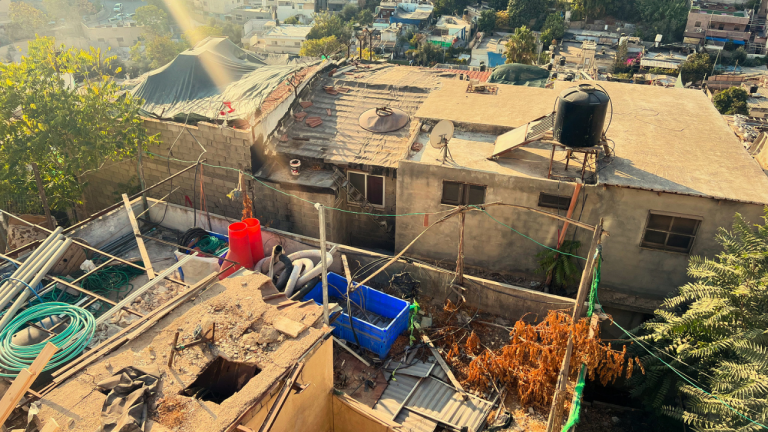
Residents retreat to security rooms as rockets and threats loom, yet construction resumes. Properties are restored. Families return. What is being tested is not just physical infrastructure, but national resolve.
There is also a deeper layer—one that cannot be quantified in real estate or security metrics. The language of miracles, from the Exodus out of Egypt to the present day, reflects a worldview in which survival itself is not accidental. It is part of a longer arc.
Shiloach today sits at the intersection of that arc: pressure on one side, continuity on the other.
The fires may blacken walls, but they have not altered the underlying equation. Jewish life in Jerusalem does not recede under pressure—it adapts, regroups, and expands.
Am Yisrael Chai is not a slogan in this context. It is a strategic reality.