What We Bring to Yerushalayim, And What We Take Home
 Rabbi Reuven Schrier
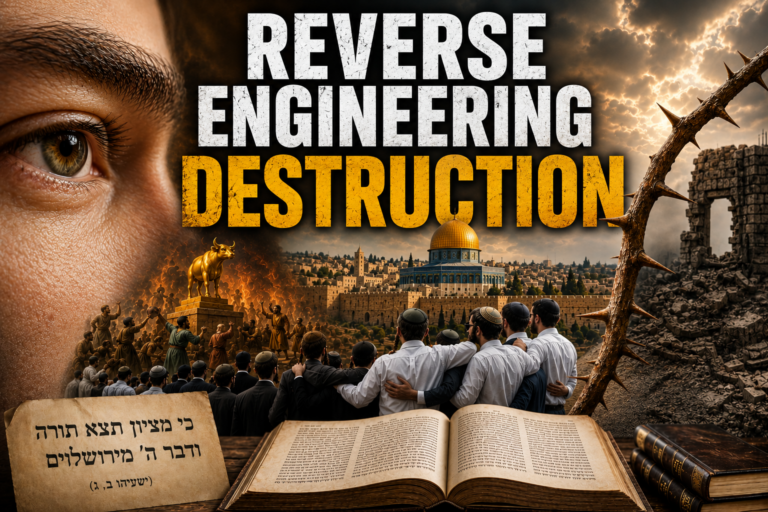
When describing the Shalosh Regalim – the festivals on which we ascend to Yerushalayim – the Torah introduces a new obligation: ולא יראו פני ריקם – do not be seen before Me empty-handed. Chazal explain (Chagigah 7a) that this refers to the obligation to bring an Olat Re’iyah when appearing before Hashem in the Mikdash courtyard.
The mitzvah itself is straightforward. The language is not. Why does the Torah avoid the simple command to bring an olah and instead speak of “empty hands”?
The Chasidic masters see deep meaning in this verse; the Torah is deliberately giving us a message for what we should bring with us to Yerushalayim, and what we should walk away with.
Rebbe Nachman of Breslov explains (Likutei Moharan, Torah 31) this verse with a focus on how we should approach the holy city on the festivals. When we are commanded to ascend to Yerushalayim on the Regel, we are not supposed to leave behind all of our worldly pursuits at home. Our hands should not be empty. Rather, we should ascend with them metaphorically in tow. In the Mikdash, these physical endeavors can be sanctified and properly calibrated with a life of amidah lifnei Hashem. It is specifically here that work, wealth, and ambition can be brought before Hashem and given their proper place.
The Olat Reiyah is not simply an animal that is burned on the mizbeach. It is a deep metaphor for all of the physical achievements and riches we have amassed over the course of the year. All of the toil and effort expended over the year is bound up with this korban. When it is offered to Hashem, we spiritually cleanse and redeem all of our physical pursuits with spiritual purpose and submission to HaKadosh Baruch Hu’s will.
If Rebbe Nachman teaches us what to bring to Yerushalayim, the Imrei Emes teaches us what we must take from it. The Rebbe of Gur homiletically focuses on the departure from Yerushalayim (Imrei Emes, Yamim Achronim shel Pesach 5694). When leaving the Presence of HaKadosh Baruch Hu, a Jew cannot depart empty handed. You must be filled up with an indelible spiritual impact that will not fade away upon returning home. Aliyah leRegel is religious tourism, where ephemeral “inspiration” is felt and evaporates upon returning home. The spiritual impact of the holy city is supposed to sink into our bones; each Regel is meant to leave a permanent residue, building upon the last.
The Torah insists that a Jew can never stand before Hashem empty-handed. Yerushalayim compels him to refocus and recalibrate his work, wealth, and ambition. And he can never leave unchanged.