No products in the cart.
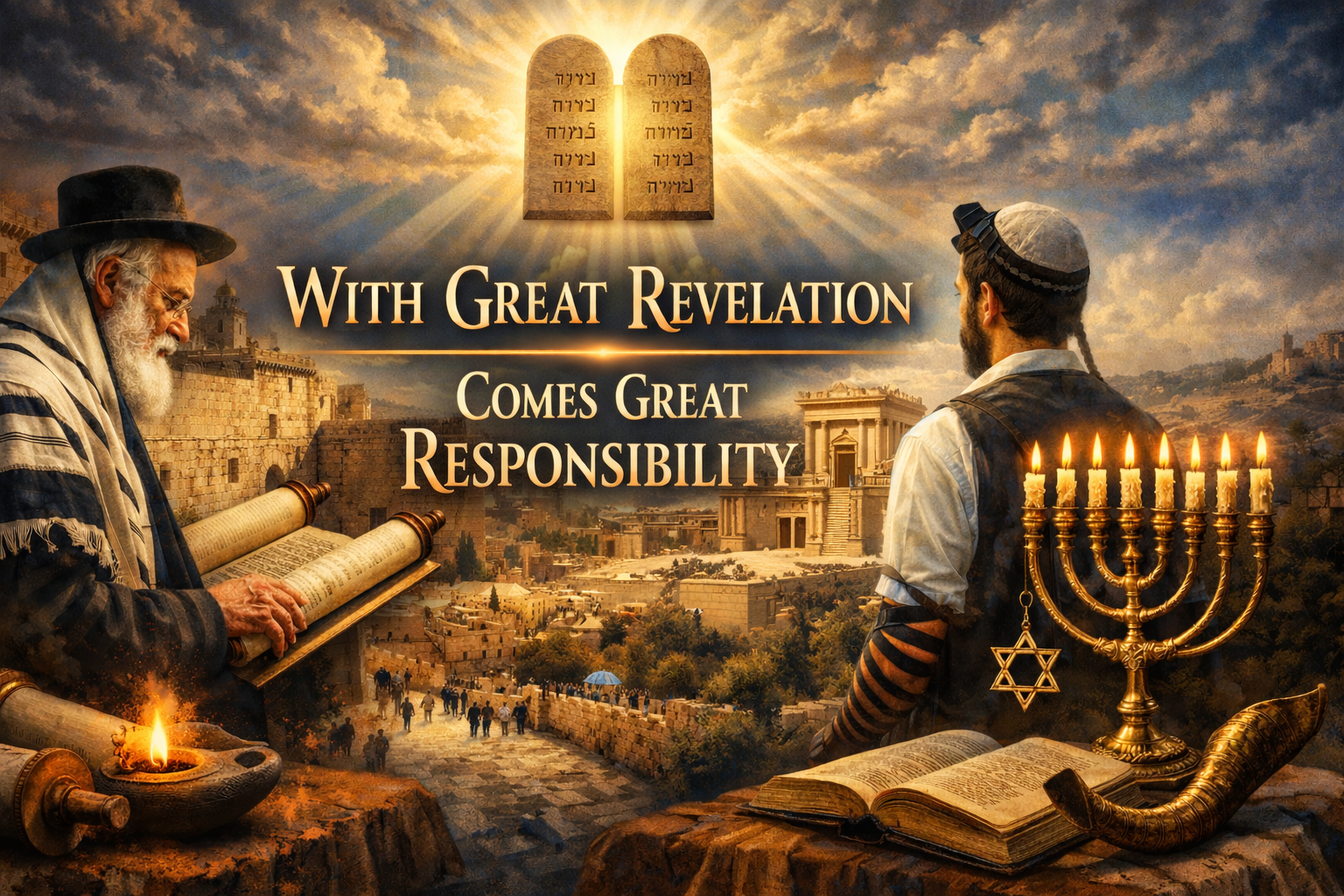
With Great Revelation Comes Great Responsibility
 Rabbi Reuven Schrier
Hashem promises intimate closeness with His people, and yet in the very same breath, hints at death.
At the culmination of this week’s parshah, Moshe Rabbeinu is commanded regarding the inaugural korbanot that would draw the Shechinah into the newly constructed Mishkan. The Torah then introduces the daily tamid offering, brought twice each day for as long as the Mishkan would stand.
Specifically after commanding that this sacrifice be brought before the Ohel Moed, the rendezvous point between Hashem and Moshe, the pasuk cryptically adds: וְנֹעַדְתִּ֥י שָׁ֖מָּה לִבְנֵ֣י יִשְׂרָאֵ֑ל וְנִקְדַּ֖שׁ בִּכְבֹדִֽי – There I will arrange meetings with the children of Israel, and it will be sanctified by My glory.
The phrase נקדש בכבדי is deeply puzzling. The sanctity of the Mishkan obviously stems from Hashem’s Presence; why state the obvious?
Chazal see in these words a chilling allusion to the future death of Aharon HaKohen’s sons, Nadav and Avihu. These righteous men are consecrated as holy servants of Hashem, yet at the very moment of inauguration, they enter the Holy of Holies improperly and perish in Divine fire.
Moshe Rabbeinu later attests that Hashem already hinted to him that such a tragedy would occur. Upon hearing of Nadav and Avihu’s death, Moshe tells his brother: “This is what the Hashem spoke, [when He said], ‘I will be sanctified through those near to Me, and before all the people I will be glorified.’ ” Rashi (Shemot 29:43) explains that Moshe now realized this was the meaning of נקדש בכבדי; the Mishkan would be sanctified through the death of “My sanctified ones,” those closest to Him.
While the intention of the phrase has been clarified, its connection to the korban Tamid is still entirely unclear. why is this ominous hint placed specifically here immediately after the command of the korban tamid, the offering that represents constant, reliable Divine access?
Ironically, it may have been Hashem’s promise of ongoing intimate connection that necessitated Nadav and Avihu’s death. The Ohr HaChayim (Shemot 29:43) notes that it is specifically after Hashem promises consistent “meetings” with the Jewish people that he reveals the grave consequences of becoming overly familiar with the intensity of the Shechinah.
Since His Presence would now dwell continuously among them, the danger of taking that closeness for granted would become very real. Constant access to holiness can dull awe. And a gift of such gravity can be dangerous when abused.
The deaths of Nadav and Avihu, towering tzaddikim who went one step too far, would stand as a permanent warning. The Mishkan was not merely a place of warmth and closeness; it was a place of fire. Intimacy with the Divine demands precision, restraint, and trembling reverence.
This message reverberates powerfully in our own time. The intense revelation of Hashem’s Presence that pulses within His sanctified abode – Yerushalayim Ir HaKodesh – is a staggering gift. The fact that the Jewish people have reclaimed sovereignty over the holy city is an astounding expression of Divine favor. But familiarity with Divine gifts breeds complacency. When access becomes routine, reverence erodes.
All too often, when walking through the streets of the Old City, one witnesses behavior wholly out of place in the holiest rendezvous point between Hashem and His people. Such insensitive conduct is not only a gross breach of sanctity; it reflects a failure to grasp the weight of standing in the shadow of the Shechinah.
The Mishkan was sanctified through those who came too close without trembling.
Yerushalayim demands no less.