
An Ohel Mo’ed Out of Jerusalem?
The Noam Elimelech opens his commentary to our parsha with an astute observation on the first verse of Vayikra. Our parsha begins “And He called to Moshe, and God spoke with him from the Ohel Mo’ed.” From reading the verse in its entirety it is clear that the initial subject of the verse is God. […]
Explore moreFalling and Rising: From the Mishkan to Jerusalem
Parshat Pekudei contains a description of Moshe setting up the mishkan on the first day of Nissan. The Midrash describes that this was not a linear process. Rather, for each of the subsequent seven days of consecration, Moshe would set up the mishkan in the morning and deconstruct it in the evening. Only at the […]
Explore more
The Defense of Jerusalem
In the aftermath of the sin of the golden calf, God tells Moshe that He intends to destroy the Jewish people. Instead of humbly conceding to God’s plan, Moshe takes the role of the Jewish people’s defense attorney. He argues with God that the sin was not entirely the fault of the Jewish people, and […]
Explore more
Who Builds Jerusalem?
This week we remind ourselves that our war against Amalek and other forms of evil is ongoing. It is a struggle. The Torah teaches us that this battle will last “from generation to generation” until Mashiach comes and good triumphs over evil for once and for all. Interestingly, this war begins in an unexpected manner. […]
Explore more
The Folly of Jerusalem
The structure of the Mishkan consisted of wooden beams. The Torah is careful to delineate that these beams should be made from atzei shttim, or acacia wood. Why is it important for the Torah to record that the beams must be specifically from this type of wood? Rav Yitzhak Yosef Schneerson, the sixth Lubavitcher Rebbe, […]
Explore more
Yearning For Jerusalem
This week is the first of the four special Torah readings that lead up to Pesach. They are all connected in one way or another to the ideal reality, when the Jewish people are living as a nation in their land and the Beit HaMikdash is functioning properly. For example, this week’s extra portion describes […]
Explore more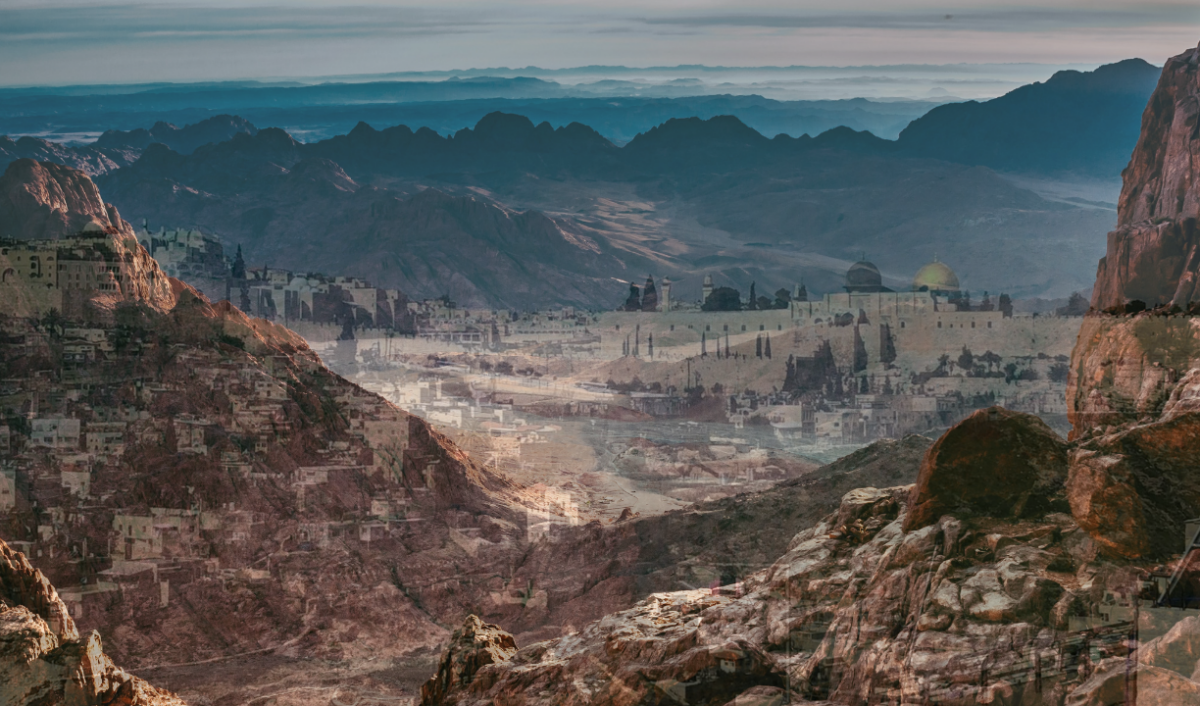
From The Earthquake of Sinai to the Peace of Jerusalem
This week the world experienced a devastating and frightening earthquake. As believing Jews, we should “live with the parsha of the week” meaning that we should look into the weekly Torah reading for insights into current events. One small angle that emerges from such an analysis leads us from the devastation of the earthquake to […]
Explore more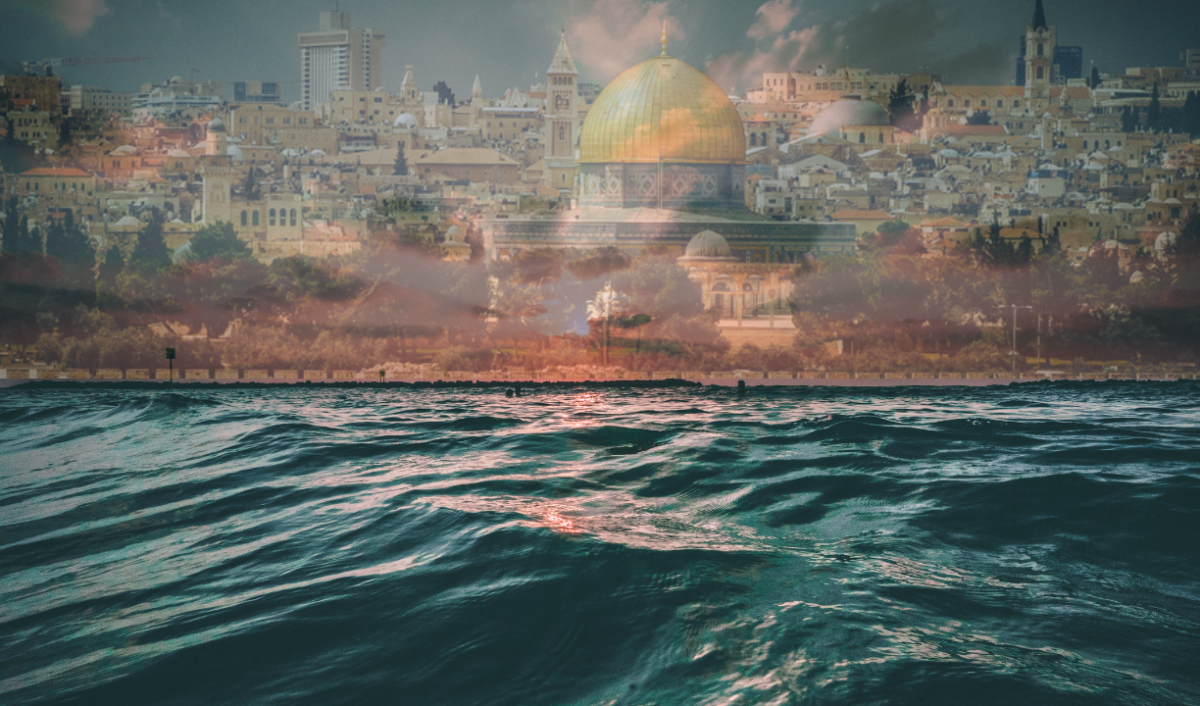
Jerusalem and the Sea
One of the highlights of our parsha is the splitting of the sea. Generally, we think of this miracle as an act of divine kindness or perhaps as a reward for the Jewish people’s great faith in following God into the wilderness. Interestingly, though, in the midrash we find the following opinion: Rebbi Yishmael […]
Explore more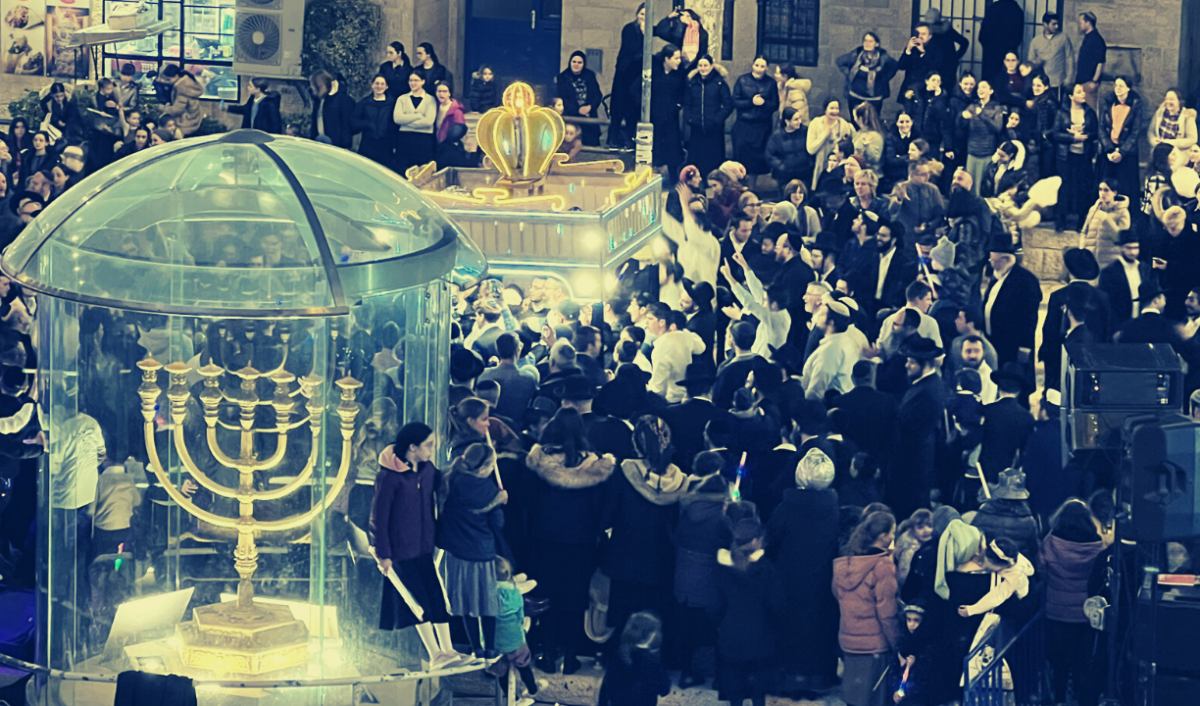
The Soulful Freedom of Jerusalem
In our parsha the Jewish people finally leave Egypt and march towards freedom. This momentous occasion is commemorated every year in the Pesach seder when we act in ways befitting free people. One would think that the moment the Jewish people left the borders of mitzrayim they would be defined as “free-people”. Interestingly, though, we […]
Explore more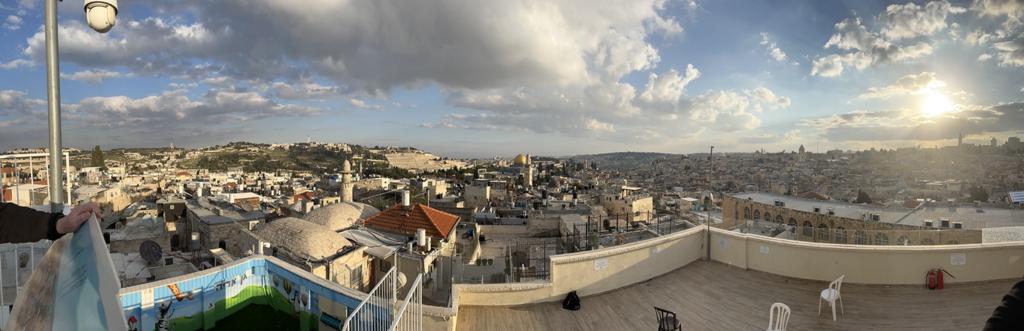
Preparing for Jerusalem
During the plague of Arov, the Torah records a negotiation of sorts between Pharoah andMoshe. Pharoah tells Moshe that if his goal is that the Jewish people should have an opportunity toserve God and offer him sacrifices, there is no reason for that not to occur within the borders of theLand of Egypt. Moshe, though, […]
Explore more