
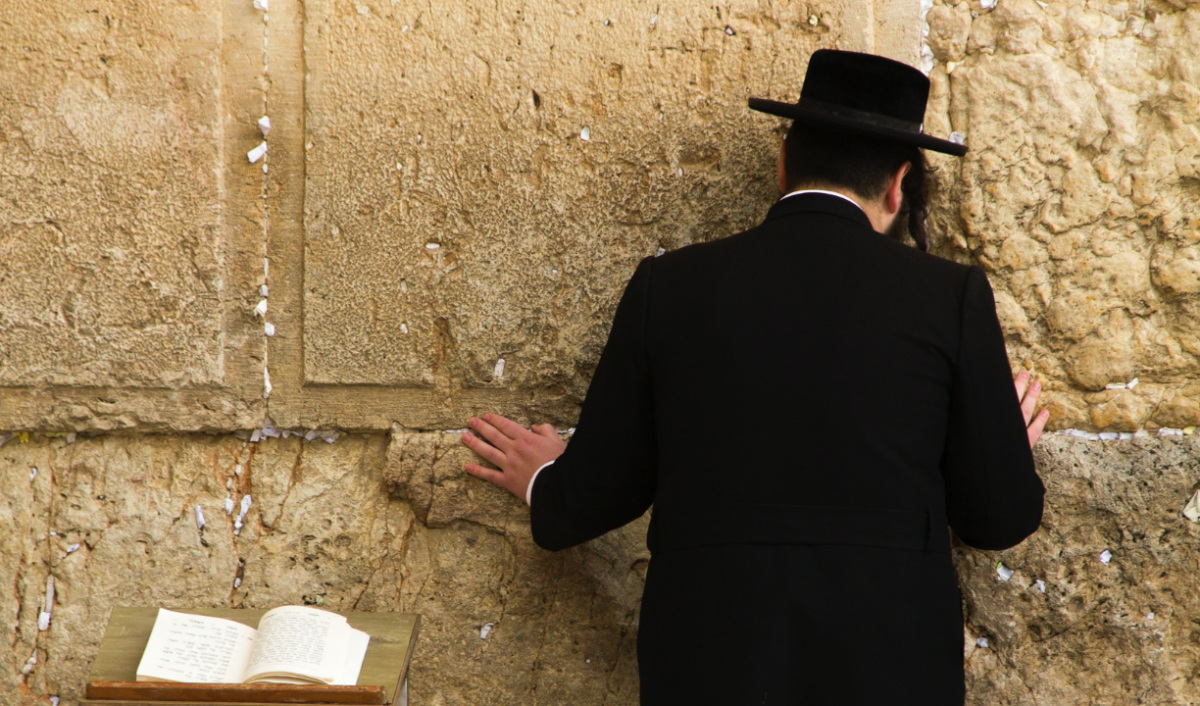
Yosef and the Dreams of Zion
Our parsha revolves around dreams. It opens with a young Yosef dreaming about things that were beyond the family’s immediate experience – of a grain field for a family of shepherds and of the celestial beings. These dreams at first get Yosef in trouble, as his brothers react to them negatively and eventually sell him […]
Explore more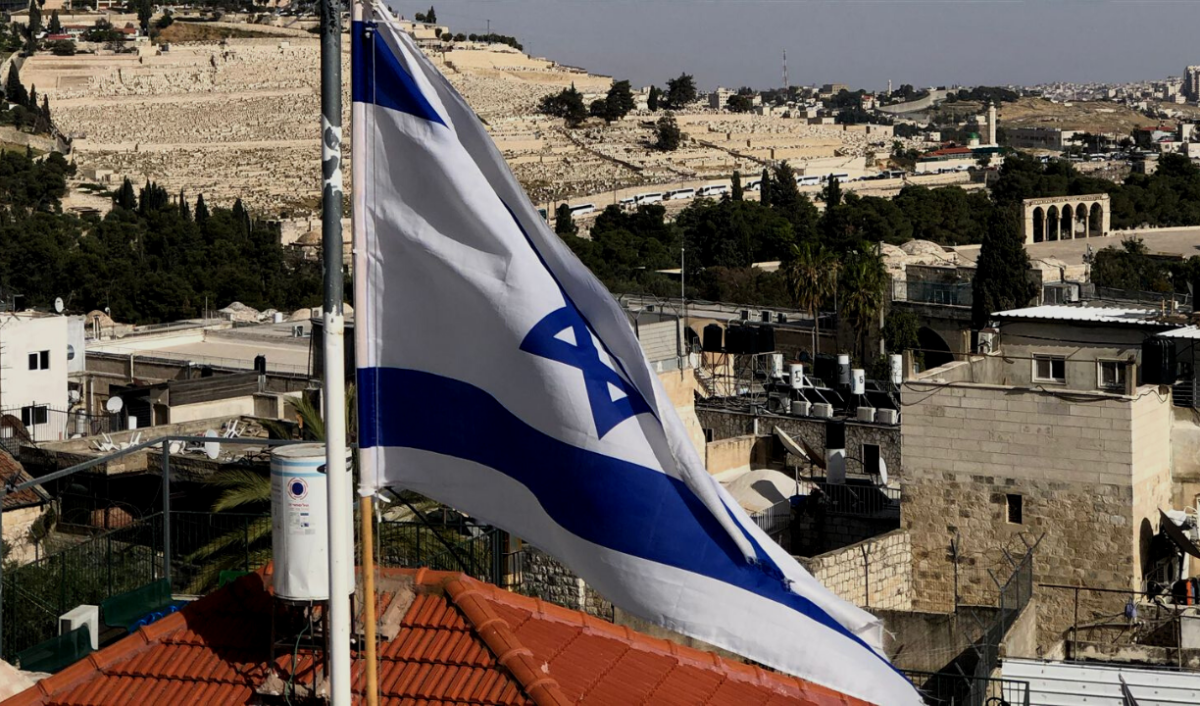
Jerusalem and Shechem
The Torah has an interesting description of Yaakov’s initial encounter with the city of Shechem: “And Yaakov came complete (shalem) to the city of Shechem.” As the midrash notes, the word “shalem” in the context of a city usually refers to Yerushalayim. Accordingly, this could have implied a close association between the city of Shechem […]
Explore more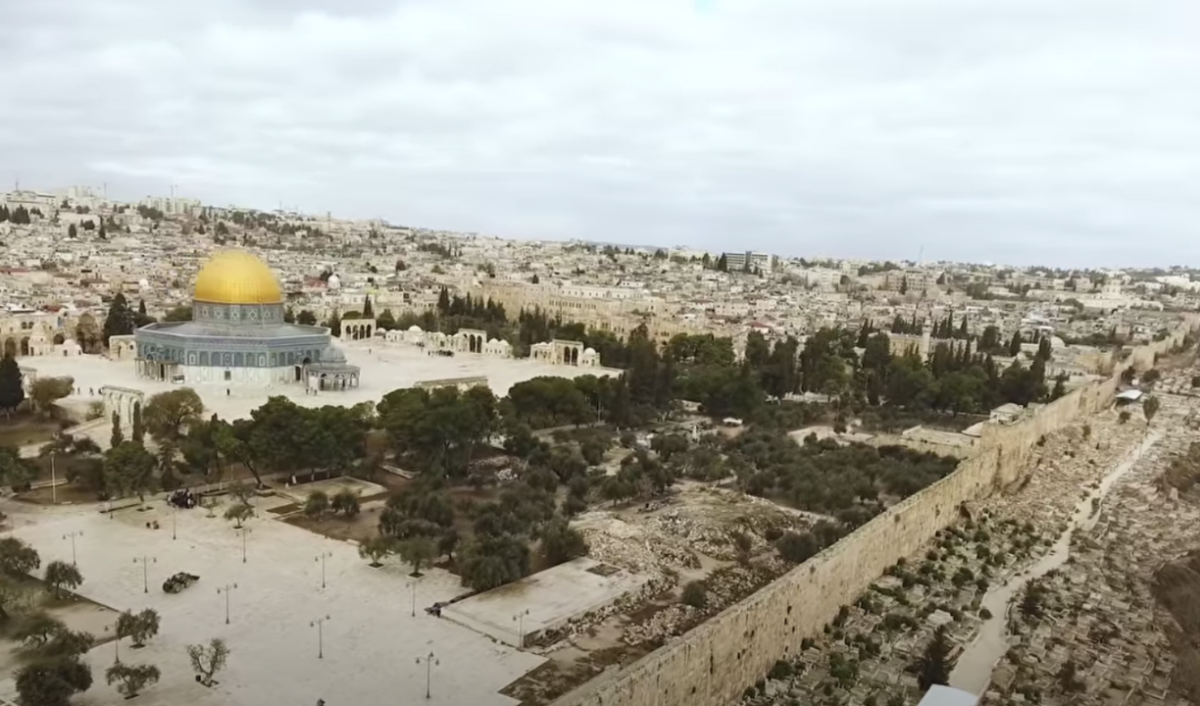
The Money-Ladder of Jerusalem
Our parsha opens with the dramatic depiction of Yaakov’s dream. He sleeps on Mount Moriah and sees a ladder that stretches from heaven to earth with angels ascending and descending on it. This is a deeply spiritual moment. Yaakov lies on the location of the Beit HaMikdash in Yerushalayim, the holiest spot on earth, and […]
Explore more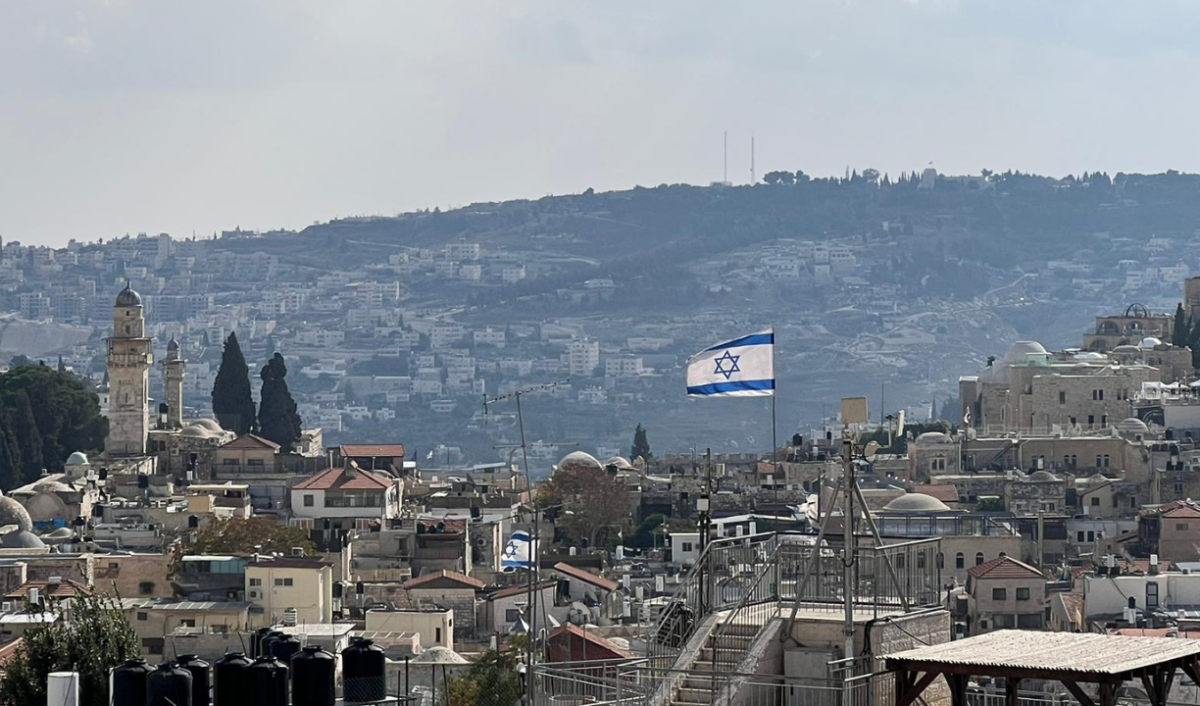
Jerusalem: The Dew of the World
Torah sources highlight the uniqueness of dew as a sui-generis form of blessing. There are two primary qualities of dew’s blessing. First, dew is constantly being replenished and renewed. The midrash notes that even when God punishes the Jewish people by withholding rain, nonetheless, dew never ceases. Second, as opposed to rain which is unwelcome […]
Explore more
The Highs And Lows of Jerusalem
This week’s parsha and the conclusion of last week’s parsha are a study in contrasts. Parshat VaYeira concludes with the epic and otherworldly story of the Akeidah. As if out of nowhere, God appears to Avraham and tells him to offer his son as a sacrifice. According to the midrash several supernatural events occurred along […]
Explore more
The Intergenerational Jerusalem
After many decades of waiting, our parsha tells the story of Yitzhak’s birth. This miracle was met with great joy on the part of Avraham and Sarah and the Torah details that on the day that Yitzhak was weaned his parents celebrated with a “great feast.” At the early stages in Yitzhak’s life, though, we […]
Explore more
Jerusalem: The Pathway to Perfection
In a memorable passage, Rabbeinu Bachya ibn Pekuda writes in his Chovot HaLevavot that there is an inverse relationship between one’s attachment to This World and the World to Come. In short, loving this world weakens one’s attachment to the World to Come. Similarly, loving the spiritual World to Come will naturally limit and even […]
Explore more
Jerusalem And The Image Of God
In the post-mabul world, God imparts certain basic messages to Noah that are to be the cornerstone of a new Godly and moral society. One of the most fundamental directives is the prohibition against murder: Whoever sheds the blood of man through man shall his blood be shed, for in the image of God He […]
Explore more
From A Pastoral Garden to the Bustling Jerusalem
The story of humanity begins in a garden. The Garden of Eden is a pastoral setting, filled with rivers and beautiful flora and fauna. Prior to their sin, Adam and Chava were able to sense God’s presence through the natural world. It is only after they sinned that they were banished from this pristine natural/spiritual […]
Explore more
Conquering Jerusalem With the Lulav
The mitzvah of Lulav is intimately bound with Yerushalayim. The Talmud records that outside the Beit HaMikdash there is only a biblical command to take the lulav on the first day of holiday. In the Beit HaMikdash, however, the mitzvah lasts all seven days. Rambam extends this status from the limited area of the Beit […]
Explore more