
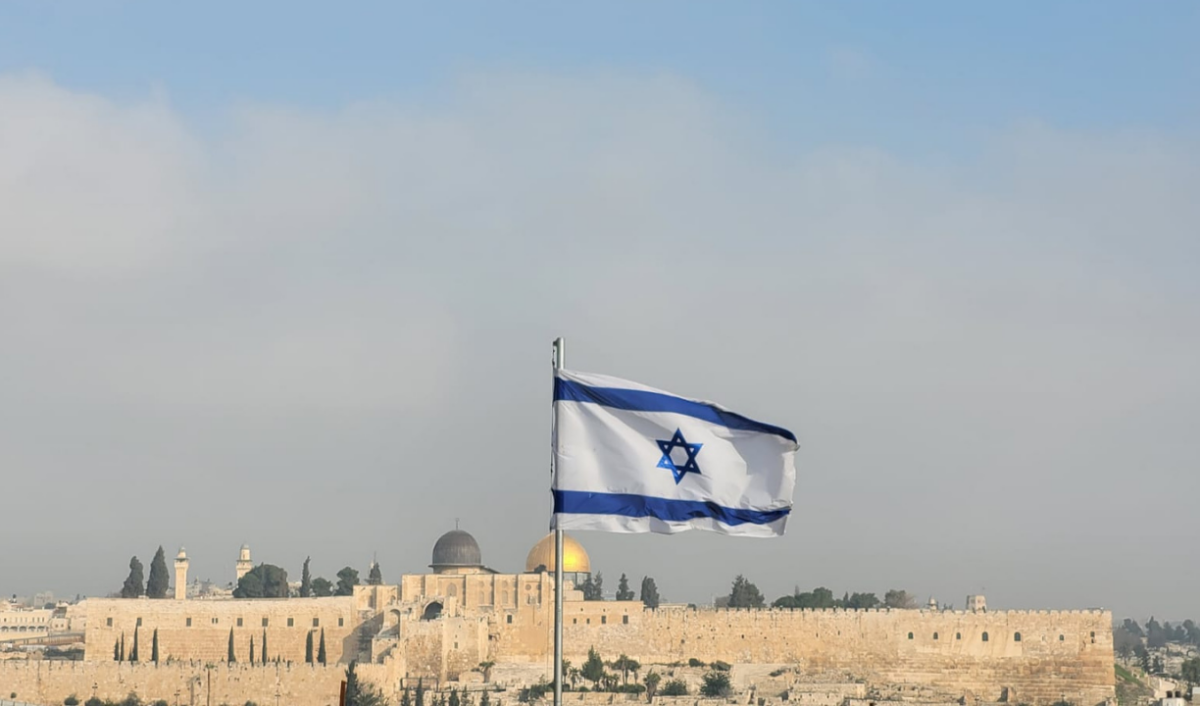
The Lion of Jerusalem
After receiving the donations for the Mishkan, Moshe informs the Jewish people that God appointed Betzalel and Ahali’av to lead the building operations. Interestingly, the Torah does not suffice with their names but specifies that they were from the tribes of Yehuda and Dan, respectively. Why is this tidbit of information important? Rabbeinu Saadya Gaon […]
Explore more
The New Torah of Jerusalem
After Moshe appeases God from His anger over the sin of the golden calf, he sees that it is a time of divine favor. Moshe decides to leverage this moment to audaciously ask for God to “let me behold Your Presence.” God responds that “no human can see me and live” but does agree to […]
Explore more
The Loyalty of Jerusalem
Our parsha opens with a command to Moshe to “pure oil of beaten olives for lighting for kindling lamps regularly” of the Menorah. This light represents the pure light of God with which we are to light up the Beit HaMikdash, Yerushalayim, ourselves, and the entire world. There are many different forms of oils and […]
Explore more
The Beauty of the World
It is common to think of Judaism as a religion of hearing. As a non-pagan religion that believes in a single invisible God who does not have a shape or form, we often rely on listening to God as the means of becoming close to Him. Perhaps the most famous verse in the Torah is […]
Explore more
The Secrets of Jerusalem
Our parsha opens with God telling Moshe to teach the Jewish people the laws of the parsha. Interestingly, instead of directly commanding Moshe to teach or say over the Torah, God uses a different formulation: “These are the rules that you shall set before them.” What is the meaning of “setting” the laws of the […]
Explore more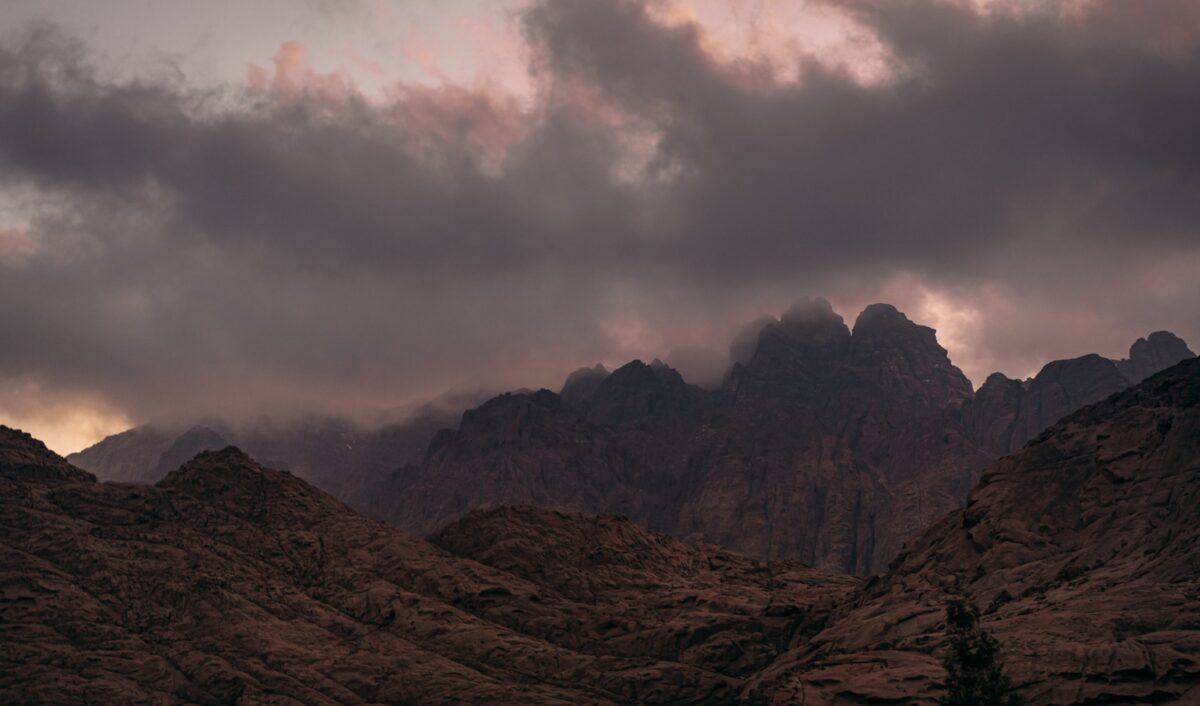
Har Sinai, Jerusalem and the Sanctity of the Jewish People
Our parsha discusses the momentous events of God giving the Jewish people the Torah at Har Sinai. As one would expect, when God appeared on the mountain, the space becomes imbued with sanctity. The Torah elaborates in great detail the extent of the preparations and precautions that the Jewish people took to properly relate to […]
Explore more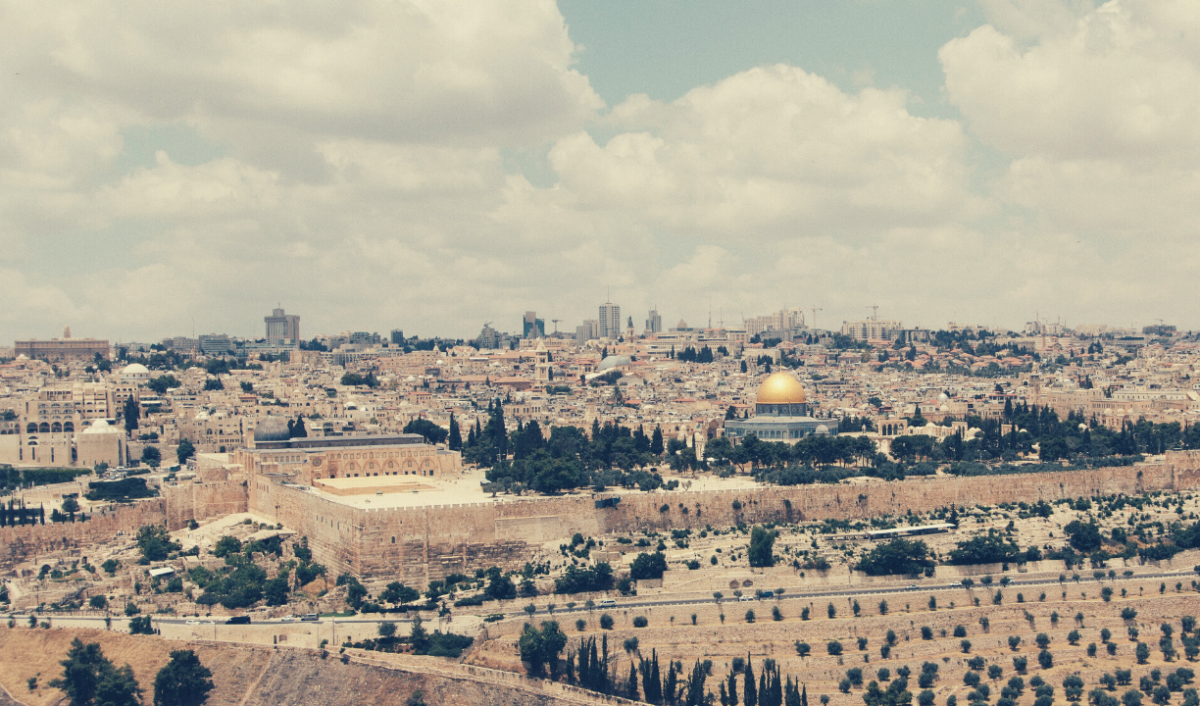
The Song of Zion
This Shabbat is known as “Shabbat Shirah” or the Shabbat of Song, due to the fact that our parsha records the first song sung by the entire Jewish people at the banks of the Yam Suf. Songs and music have a way to create an emotional attachment to an idea or ideal and this week […]
Explore more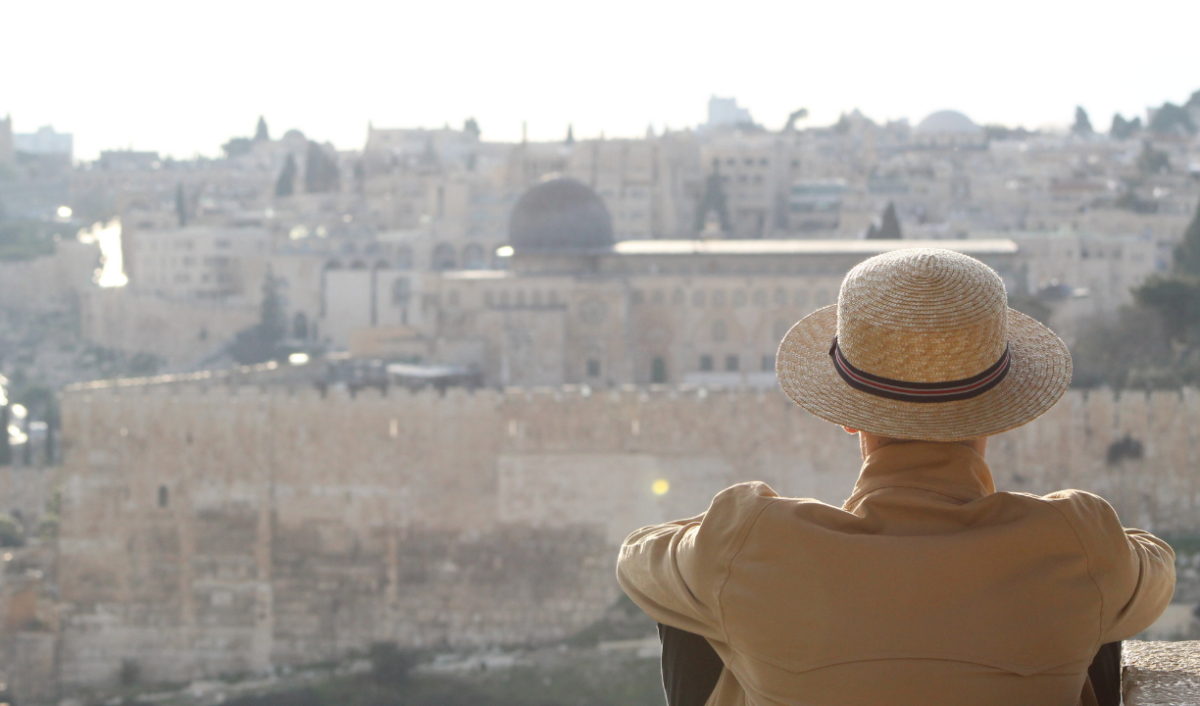
The Binding Walls of Jerusalem
Jewish unity is an important value in the Torah. God only rests his presence on the Jewish people when they are unified. We are told that the Jewish people were as one person with one heart when God gave them the Torah. Considering the importance of this unity, we must inquire about how it practically […]
Explore more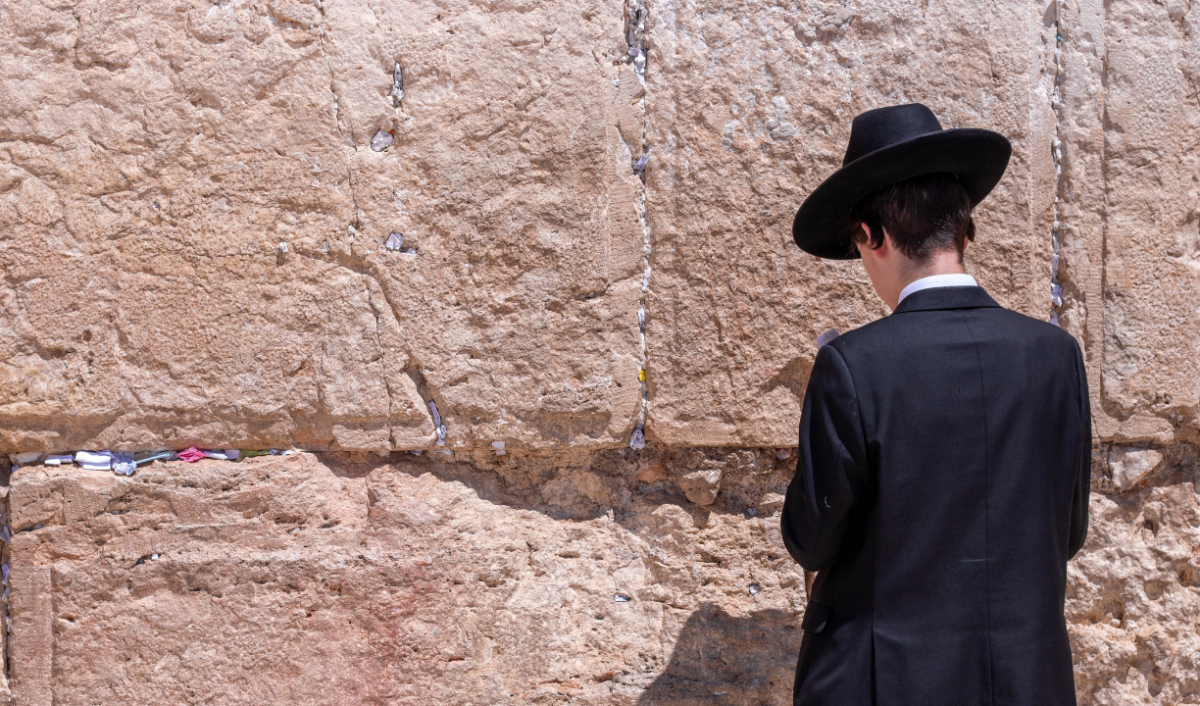
Trusting G-D in Jerusalem
In this week’s parsha, Moshe heroically protects his Jewish brother by killing the cruel Egyptian overlord. To protect his standing in Egypt and his life, Moshe tries to hide his actions. However, already the next day, Moshe realizes that the story is out. The Torah describes Moshe’s emotional reaction: “Moshe was frightened and thought: Then […]
Explore more
The Communal Torah of Jerusalem
In Yaakov’s final blessings to his children, he juxtaposes Zevulun and Yissachar. He first blesses Zevulun for his ships and seafaring nature: “Zevulun shall dwell by the seashore; He shall be a haven for ships.” Then, Yissachar is compared to a donkey bearing a heavy burden who finds a good place of rest. Rashi, citing […]
Explore more