
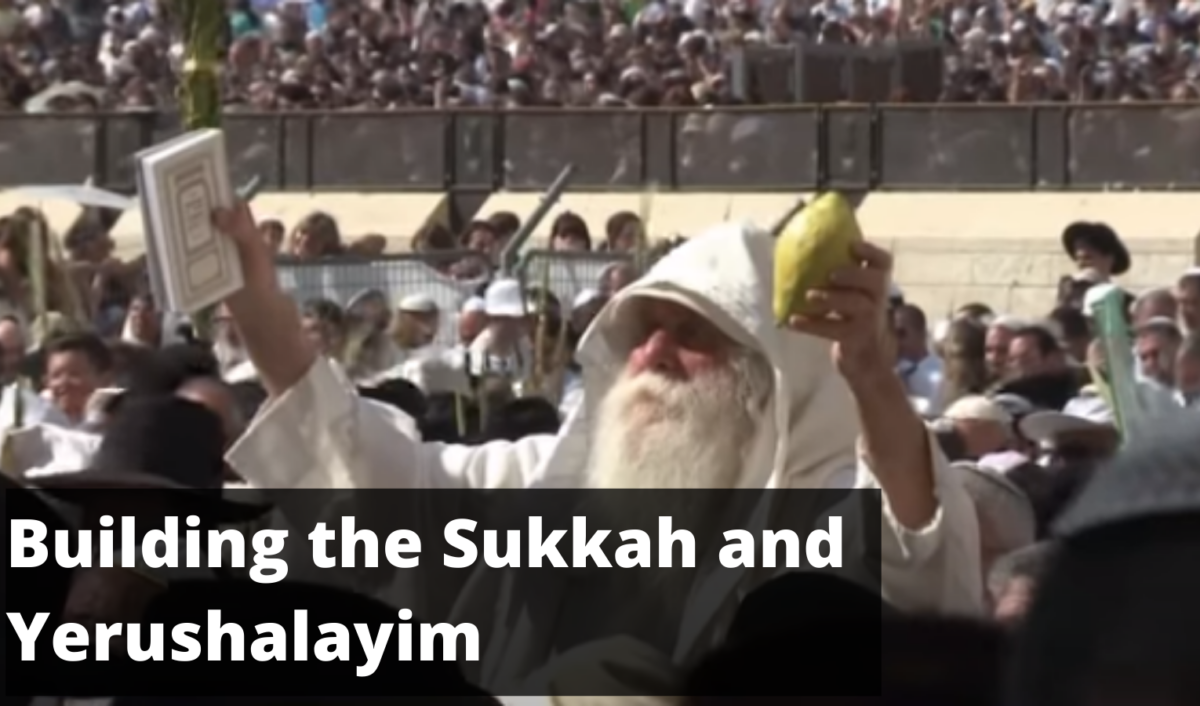
Building the Sukkah and Yerushalayim
On Sukkot there is a mitzvah to dwell in the Sukkah – “in sukkot you shall dwell for seven days.” At first glance, it would seem that since the mitzvah begins on the Chag itself that is the time that the sukkah becomes significant. However, a survey of some halachik sources indicates that the building […]
Explore more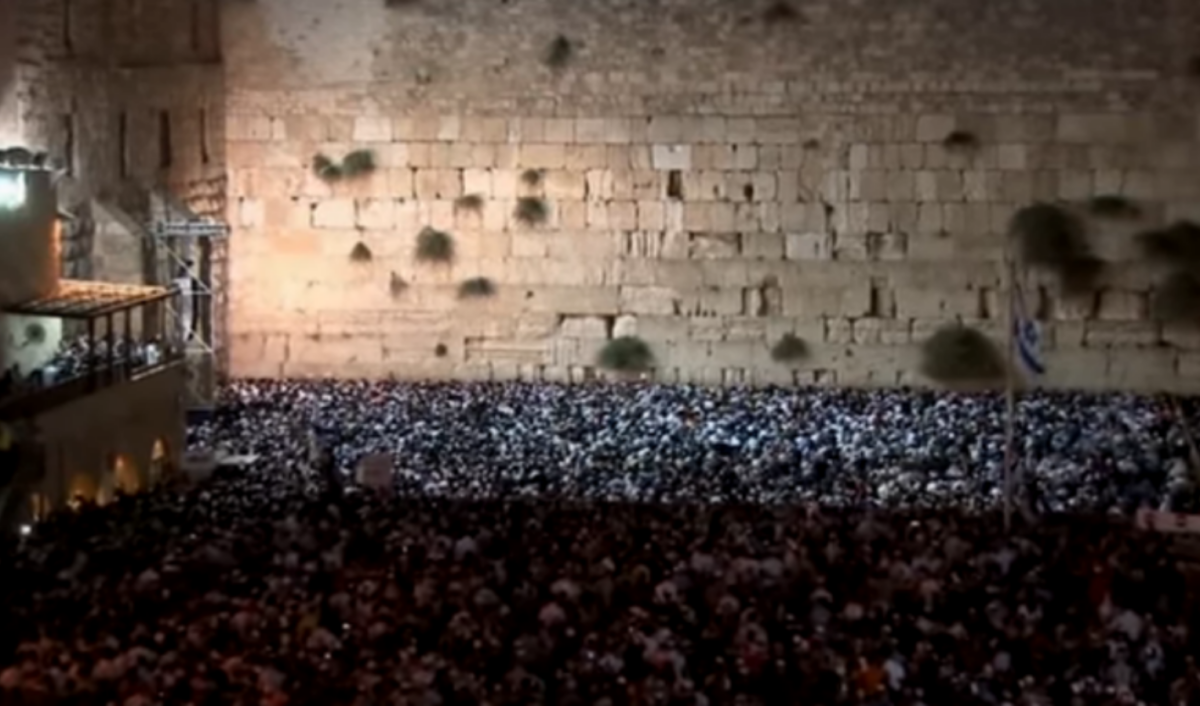
Teshuva As A Return to Jerusalem
This week’s haftorah very fittingly is focused on teshuva. Hoshea movingly tells the people to take stock of their spiritual state and return to God. One would think that the haftorah would focus on the impurity of sin, the need to contemplate the direction of our individual and national lives and the need to engage […]
Explore more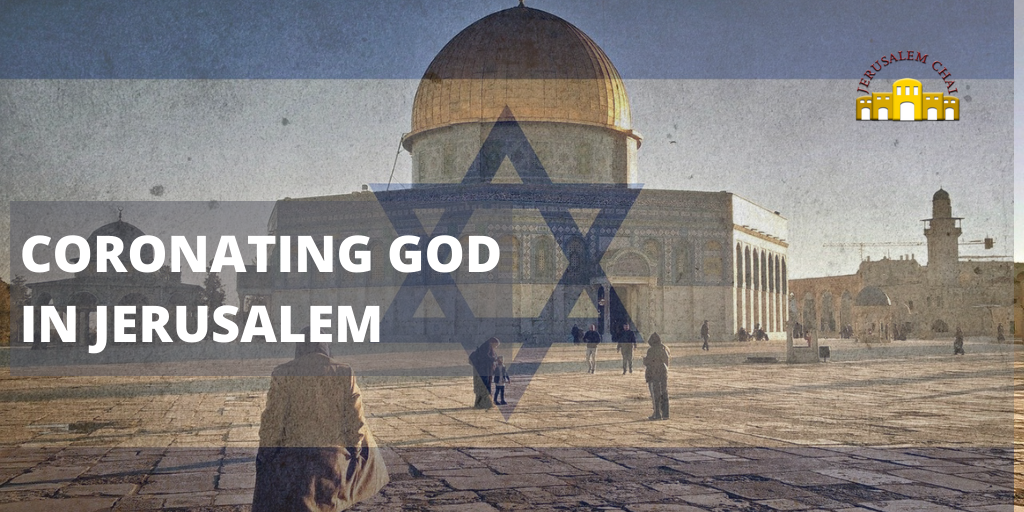
Coronating God in Jerusalem
This year the first day of Rosh HaShanah occurs on Shabbat and therefore we refrain from blowing the shofar. While this is the universal Jewish practice nowadays, the Mishna teaches that in the Beit HaMikdash they would blow the shofar on Shabbat. Rambam, in his commentary to the Mishna, asserts that this is true throughout […]
Explore more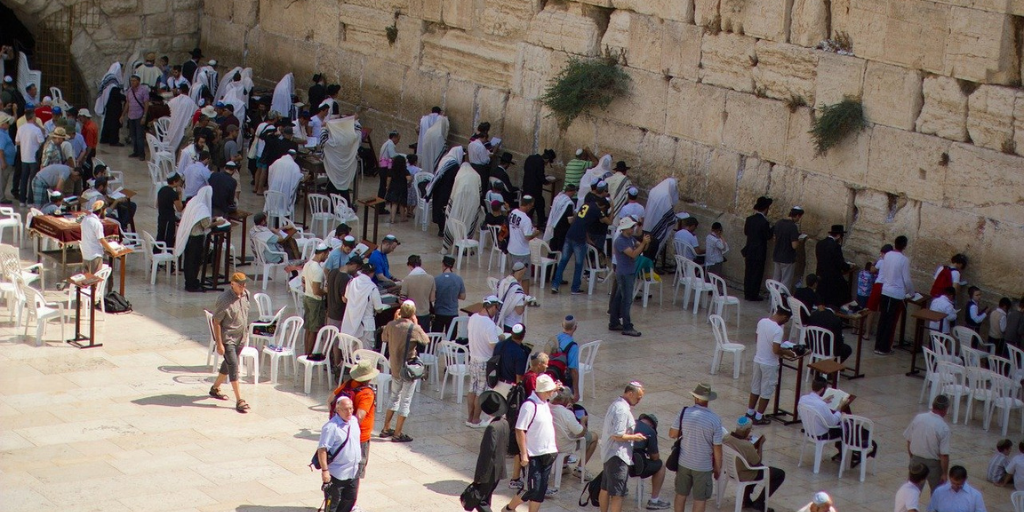
Teshuva in Jerusalem
On this final Shabbat of the year, we fittingly read about the mitzvah of teshuva (repentance). After describing the Jewish people’s exile and eventual return to God and to the Land of Israel, the Torah describes the accessibility of repentance: “For this commandment which I command you this day, is not concealed from you, nor […]
Explore more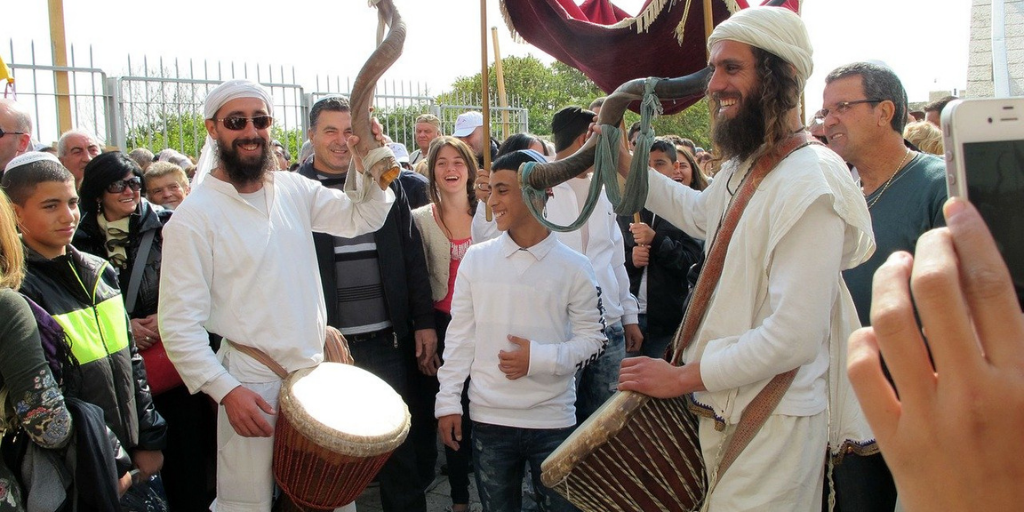
Jerusalem of Fear and Joy
We generally think of simcha (joy) and yirah (fear) as mutually exclusive feelings. Experiencing fear or even the solemnity of an awe-inspiring event is not conducive to happiness and joy. However, the Torah teaches that this is not the case but posits that the highest levels of fear and joy can coexist and even strengthen […]
Explore more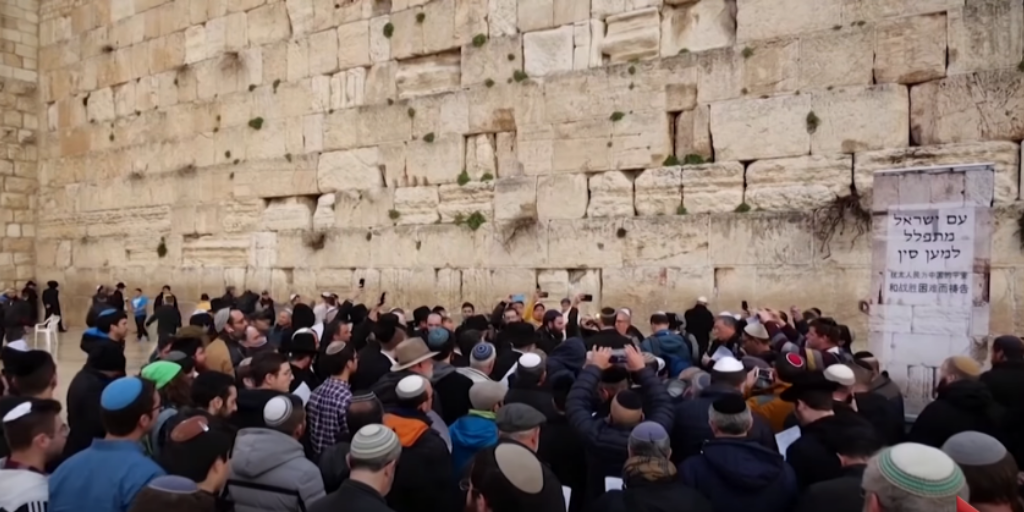
Quarantining In Jerusalem
In several instances, the Torah commands us to remember a specific event for posterity. Interestingly, two of the events that we are supposed to remember are associated with the unfortunately all too common word “quarantine.” Yet, they represent two different models for what the experience of quarantine can be. This week’s parsha enjoins us to […]
Explore more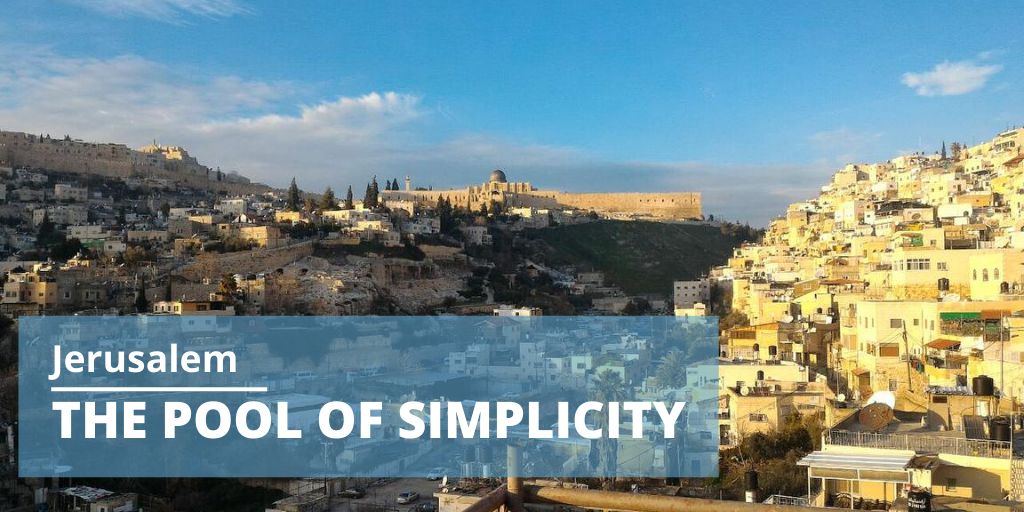
The Temimut of Yerushalayim
During their time in the desert, the Jewish people did not have to agonize about their future. While they might not have known if they would travel or rest on a particular day, their general trajectory towards the Land of Israel was predestined and relayed to them by God on numerous occasions. Once they entered […]
Explore more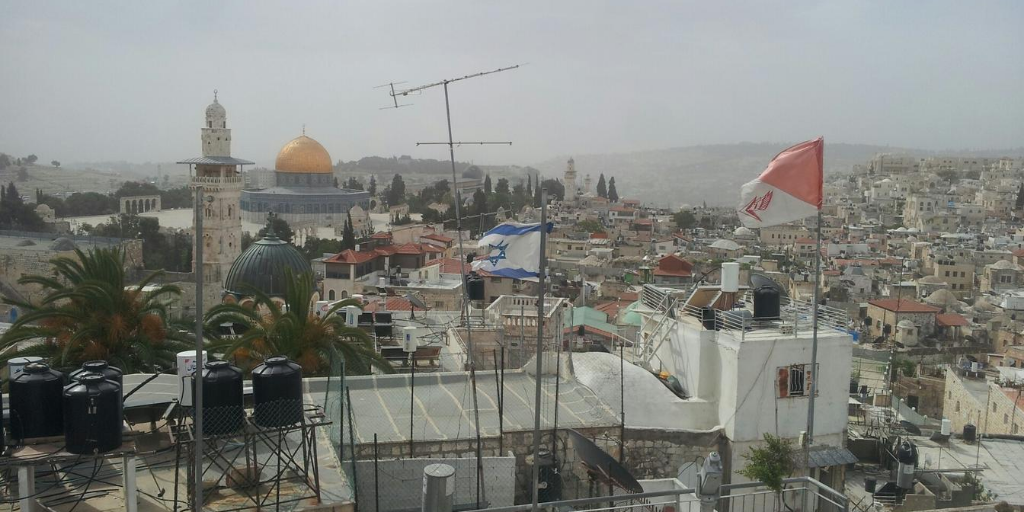
The Blessing of Jerusalem
Our parsha opens with Moshe presenting the Jewish people with a dramatic choice: Behold, I set before you today a blessing and a curse. The blessing, if you will heed (“asher tishme’u”) the commandments of the Lord your God, which I command you today; and the curse, if you will not heed the commandments of […]
Explore more
Yerushalayim and the Sequence of Birkat HaMazon
Our parsha stirringly describes the beauty and resources of the Land of Israel, emphasizing that the Jewish people must properly thank God for granting them the Land and its bounty: “And you will eat and be sated, and you shall bless the Lord, your God, for the good land He has given you.” In our […]
Explore more
The Redemptions of Iyov and Zion
A powerful midrash describes that when Yirmiyahu returned to Yerushalayim after the destruction, he met a woman who was crying unconsolably. After a brief conversation, she introduces herself as the embodiment of “your mother, Zion,” who lost all of her children. Yirmiyahu immediately responds with words of consolation: From Iyov I took his children, similarly […]
Explore more