
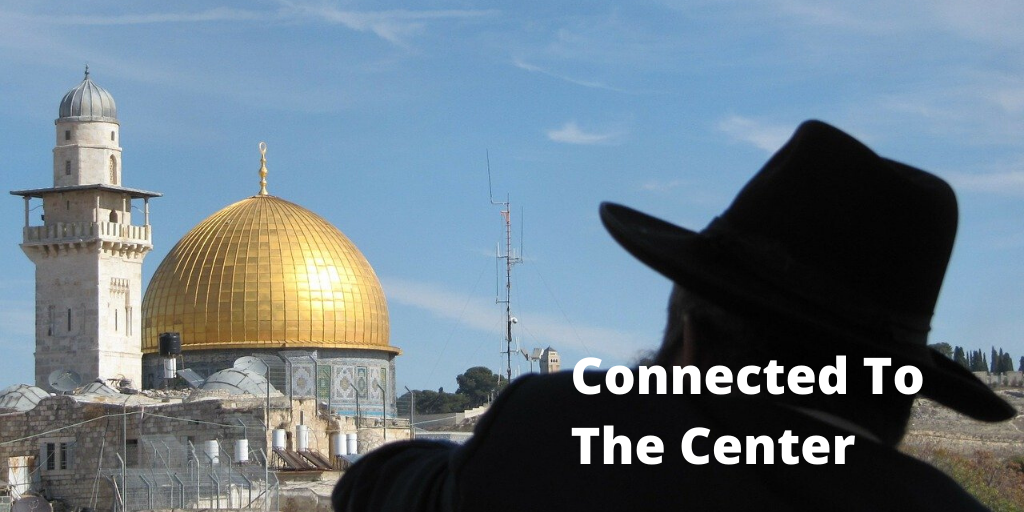
Connected to the Center
This week’s haftorah, the second of the special haftorot for the three weeks, is Yirmiyahu’s first prophecy of rebuke. The axis upon which this rebuke turns is that God has showered the Jewish people with His love and blessings and instead of loyalty and love the Jewish people betrayed God for foreign deities. One example […]
Explore more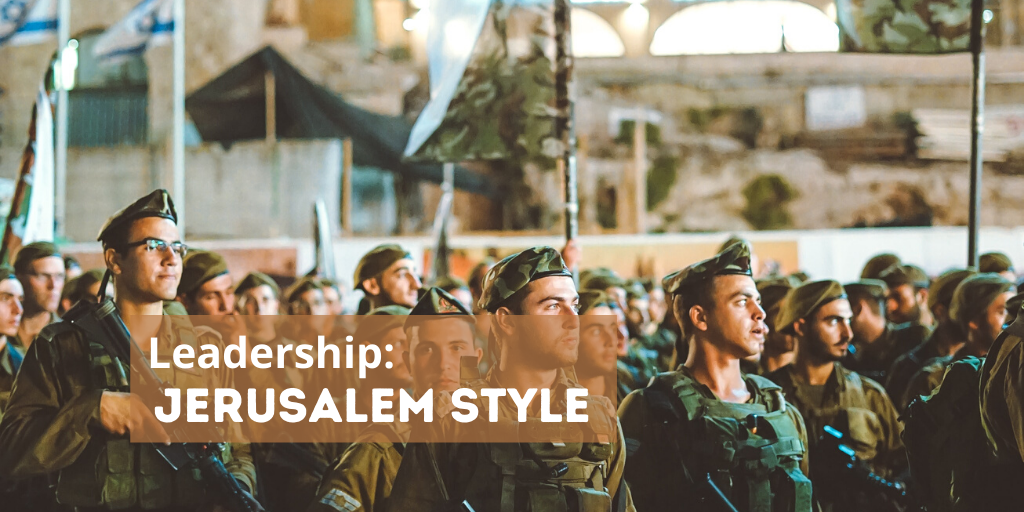
Leadership: Jerusalem Style
When Moshe asks God to appoint his sucessor he describes the ideal Jewish leader: “Let the Lord, the God of spirits of all flesh, appoint a man over the congregation, who will go forth before them and come before them, who will lead them out and bring them in.” Rashi interprets the phrase “go forth […]
Explore more
The Eternal Hope Of Jerusalem
The Parah Adumah is the classic “chok” or mitzvah that is not comprehendible to even the wisest humans. It is a rule-breaking ritual that contains internal contradictions. Yet, despite our inability to fully grasp the mechanism of the ritual, we are still enjoined to study the details of Parah Adumah and uncover relevant life lessons […]
Explore more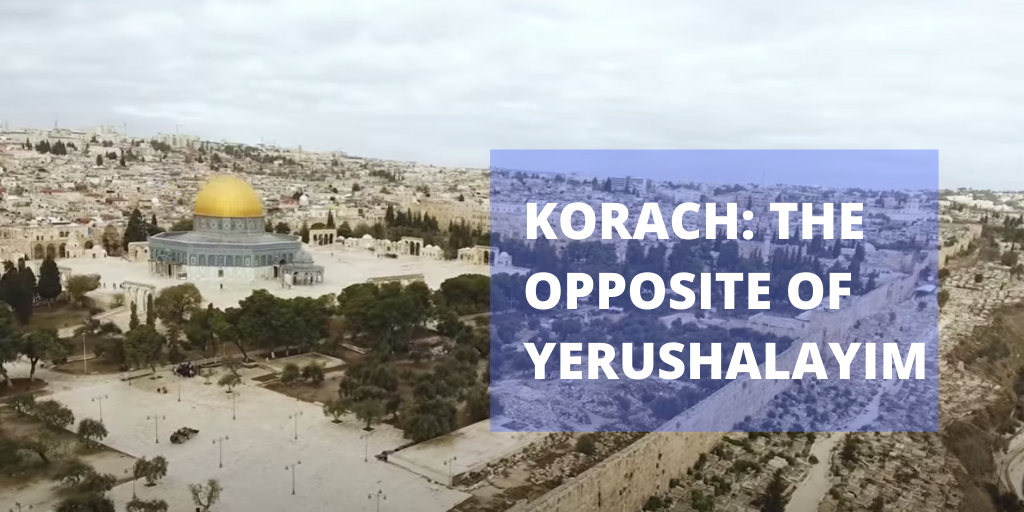
Korach: The Opposite of Yerushalayim
Korach’s rebellion was a complex affair. While other negative episodes in the desert focused on a single complaint (lack of food, lack of water etc.) Korach and his group make several distinct claims. First, Korach seems to challenge the leadership on Moshe and Aharon on the basis that “the entire congregation are all holy, and […]
Explore more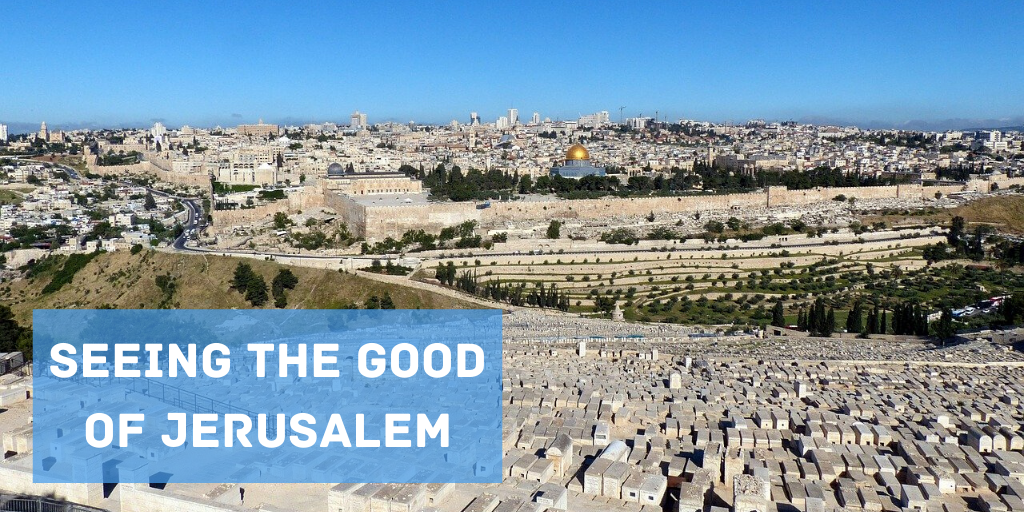
Seeing the Good of Jerusalem
All of life is a mixture of good, bad and the neutral. Before the sin of Adam and Chavah eating from the Tree of Knowledge, they were able to walk through the garden and see the underlying divinity and positivity of every aspect of the this world. After all, God himself upon finishing creation declared […]
Explore more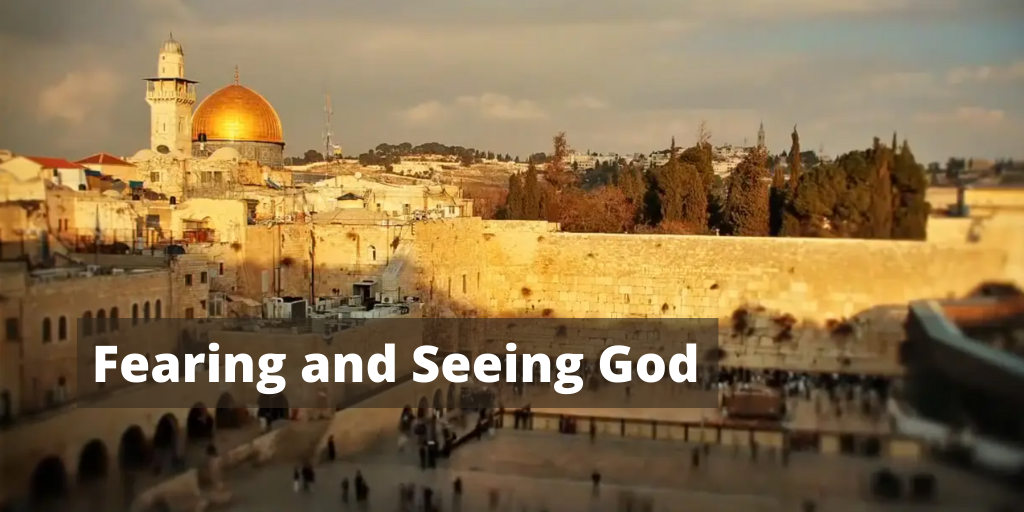
Fearing and Seeing God
At the end of this weeks’s parsha we read about the uniqueness of Moshe Rabbeinu’s prophecy: “With him I speak mouth to mouth; in a vision and not in riddles, and he beholds the image of the Lord.” All other prophets had their visions through an unclear lens, while Moshe saw through a clear glass. […]
Explore more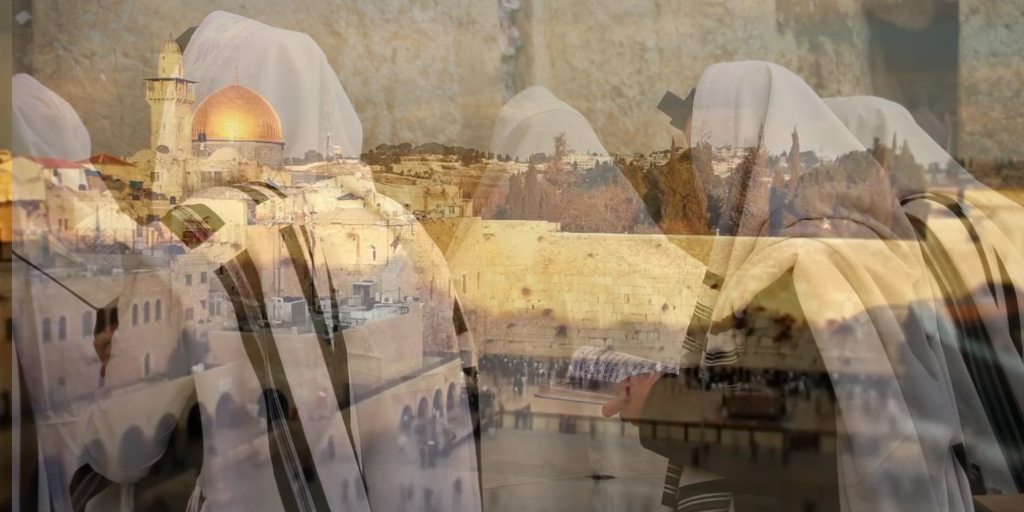
Jerusalem: City of Tzedek and Shalom
The laws of the Sotah are a vehicle to achieve “tzedek” (justice) and “shalom” (peace). It is the absence of these elements in a marriage that triggers the Sotah process, meaning to say a situation in which no one knows if a wife committed adultery, such that she cannot be pronounced as innocent or guilty […]
Explore more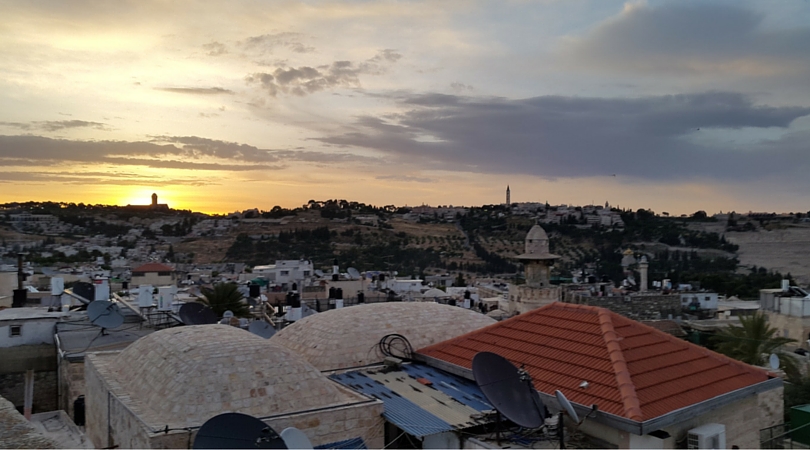
From Sinai To Yerushalayim
There is great significance to the fact that God gave us the Torah in the desert and not in Yerushalayim, the capital of the Land of Israel. One midrash hints to the fact that if the Torah was given in the Land of Israel one might think that these two great gifts are bound together […]
Explore more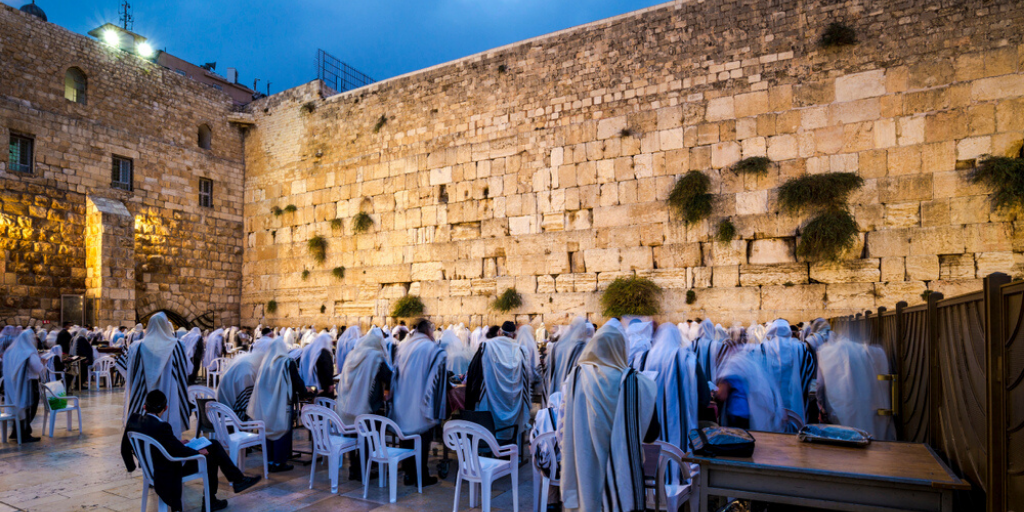
The Census, The Proclamation of Koresh and Yom Yerushalayim
In the beginning of our parsha, God commands Moshe to take a census of the Jewish people. On one hand, such a count can be a dehumanizing experience in which each person is ripped of his uniqueness and transformed into a mere number. However, this was not the case with Moshe’s count. Crucially in this […]
Explore more
Jerusalem: Our Living City
Our parsha teaches that every seven years the farmer in the Land of Israel must leave their land fallow. The commentators have raised several reasons for this commandment. One common theme is that this mitzvah is beneficial for the spiritual life of the nation. For example, S’forno explains that the Torah wants the Jewish person […]
Explore more