No products in the cart.
Guarding the Sacrifice, Guarding the Name
 Rabbi Reuven Schrier
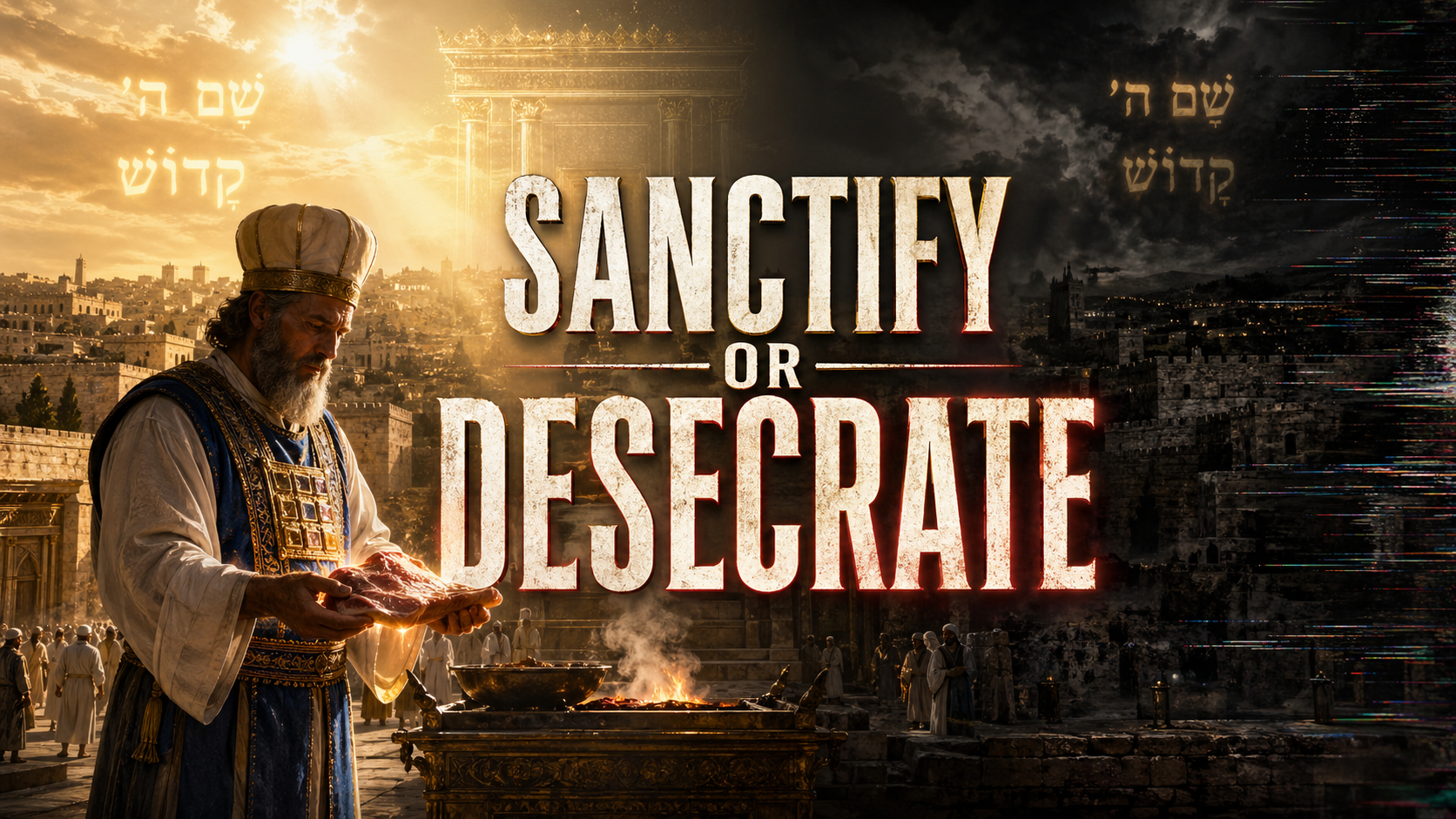
The Torah commands the kohanim to carefully guard the sanctity of the korbanot and sets deatiled rules for consuming and disposing of sacrificial meat. As these laws are introduced, the Torah links improper engagement with the korbanot to desecration of God’s name: וְיִנָּֽזְרוּ֙ מִקָּדְשֵׁ֣י בְנֵֽי־יִשְׂרָאֵ֔ל וְלֹ֥א יְחַלְּל֖וּ אֶת־שֵׁ֣ם קָדְשִׁ֑י – they shall separate from that which is holy of the Bnei Yisrael and not defile My holy name (Vayikra 22:2).
Why does improper treatment of korbanot specifically relate to the desecration of God’s name?
Rav Hirsch notes that when the Torah refers to the Shem of Hashem, it isn’t merely describing “phonetic recognition” or a word that can be used to identify something. Instead, the Shem of Hashem denotes recognition of God’s Presence and understanding the values and life He intends for us.
Rav Hirsch draws his analysis from the stirring words of Yirmiyahu (3:16-17) where the Navi declares that in future days, people will no longer refer to the Aron HaKodesh as the seat of Hashem, but rather the totality of Yerushalayim as His throne. Instead of the Shem Hashem being associated only with the innermost sanctum of the Mikdash, the surrounding city of Yerushalayim will become an expression of God’s name.
When Klal Yisrael fail in their spiritual mission, Yerushalayim’s sanctity “contracts.” Recognition of Hashem and His will becomes “restricted” to the Mikdash’s core, while the streets of Yerushalayim remain unredeemed. The Godly ideal of human life remains theoretical, confined within the Aron HaKodesh.
But when the values symbolized by the Aron HaKodesh – and the luchot habrit contained inside – begin to permeate the society around the Mikdash, the name of Hashem expresses itself in the entire city of Yerushalayim. The symbolic teaching of the Aron will become a living reality. Now, the title of כסא ה’ – the Throne of Hashem – can be conferred upon all of Yerushalayim, not just the Beit HaMikdash alone. Simply walking within her streets, a person will encounter the Shem of Hashem and develop a deeper sense of what it means to live a Godly life.
This is why the Makom HaMikdash and Yerushalayim are constantly associated with the name of Hashem. המקום אשר יבחר ה’ לשום שמו שם – But only to the place which Hashem your God shall choose…to set His Name there (Devarim 12:5). לשכן שמו שם – to establish His name there (Devarim 12:11). להיות שמי שם – so that My name will be there (Melachim Aleph 8:16). The sanctity of Yerushalayim flows from our capacity to perceive and recognize Hashem’s Presence in the city.
This explains the meticulous protection of the korbanot – and the devastating consequences if they are not guarded properly. The consumption of korbanot uniquely express Yerushalayim’s ability to sanctify that which is mundane. The consumption of meat within the environs of Yerushalayim is an expression of sanctity specifically because of our encounter with Hashem’s name within the city. Exposure to Hashem’s name allows us to live a Godly life in all of our endeavors. We can now life, eat, and breathe as servants of Hashem.
But if we were to r’l misappropriate the sacrificial meats and eat them under the wrong circumstances, we are undermining the very essence of what Yerushalayim means. If we wish Yerushalayim’s sanctity to be real and not merely theoretical, we must honor the korbanot and the values they embody. Only by sanctifying the ordinary can the Name of God be made manifest in our streets and in our lives.