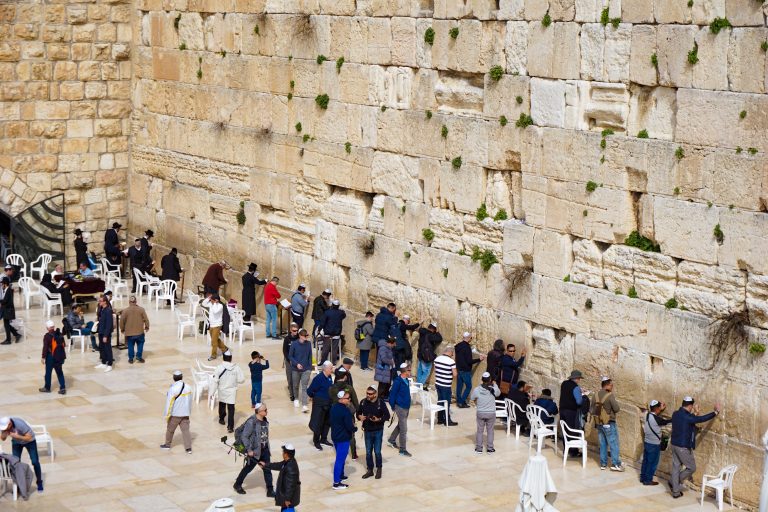
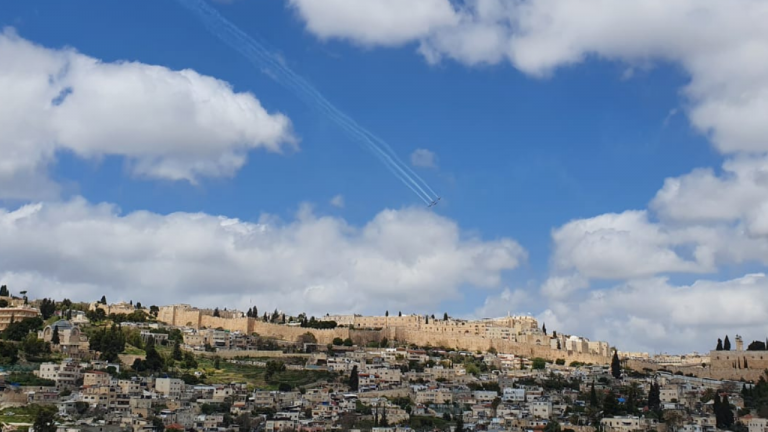
The Gemara Sotah (14a) famously asks why Moshe Rabbeinu so desperately desired to enter Eretz Yisrael: Rebbi Samlai taught: Why did Moshe Rabbeinu desire to enter Eretz Yisrael? Did he need to eat from its produce, or did he need to satisfy himself from its goodness? Rather, this is what Moshe said, “Many mitzvot were […]
Explore moreOur parsha mentions the mitzvah of hashavat aveidah (returning a lost object): You shall not see your brother’s ox or sheep straying, and ignore them. [Rather,] you shall return them to your brother. But if your brother is not near you, or if you do not know him, you shall bring it into your house, […]
Explore moreIt is natural for soldiers to be scared when they go out to battle. An overly frightened army, though, can translate into a quick defeat. Therefore, before the Jewish soldiers leave to war, they are given a preparatory talk by a Kohen. The Torah provides for us the text of the Kohen’s speech: Hear, O […]
Explore moreIn the post-mabul world, God imparts certain basic messages to Noah that are to be the cornerstone of a new Godly and moral society. One of the most fundamental directives is the prohibition against murder: Whoever sheds the blood of man through man shall his blood be shed, for in the image of God He […]
Explore moreThe centrality of Yerushalayim is a major theme in our parsha. For example, in the beginning of the parsha, we learn that when the Jewish people will first enter the Land of Israel they will be allowed to offer sacrifices in their own backyards. However, once the “place that God will choose” becomes revealed then […]
Explore moreIn this week’s parsha we learn about the mysterious affliction of tzara’at. The Talmud teaches that though it manifests as a form of leprosy on the body, in reality, tzara’at is caused by specific sins. The most basic lesson of tza’arat, then, is the severity of these sins and to heal/repent from them. The Sefer […]
Explore more