
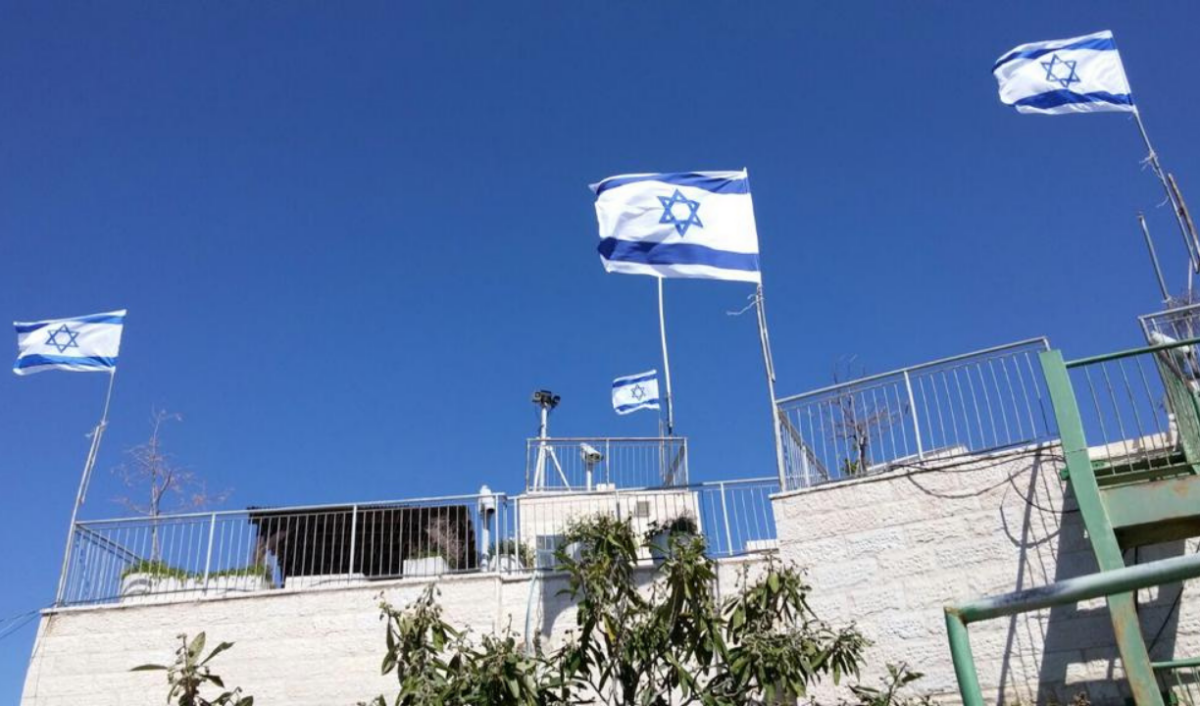
Eliyahu HaNavi and the Loyalty of the Jewish People to Jerusalem
This year, we have the merit of mentioning Eliyahu HaNavi on two consecutive days. First, during this Shabbat’s haftorah we read about the coming of Eliyahu in the end of days as the heralder of redemption. He will reunite the Jewish people by “returning the hearts of the parents to their children and the hearts […]
Explore more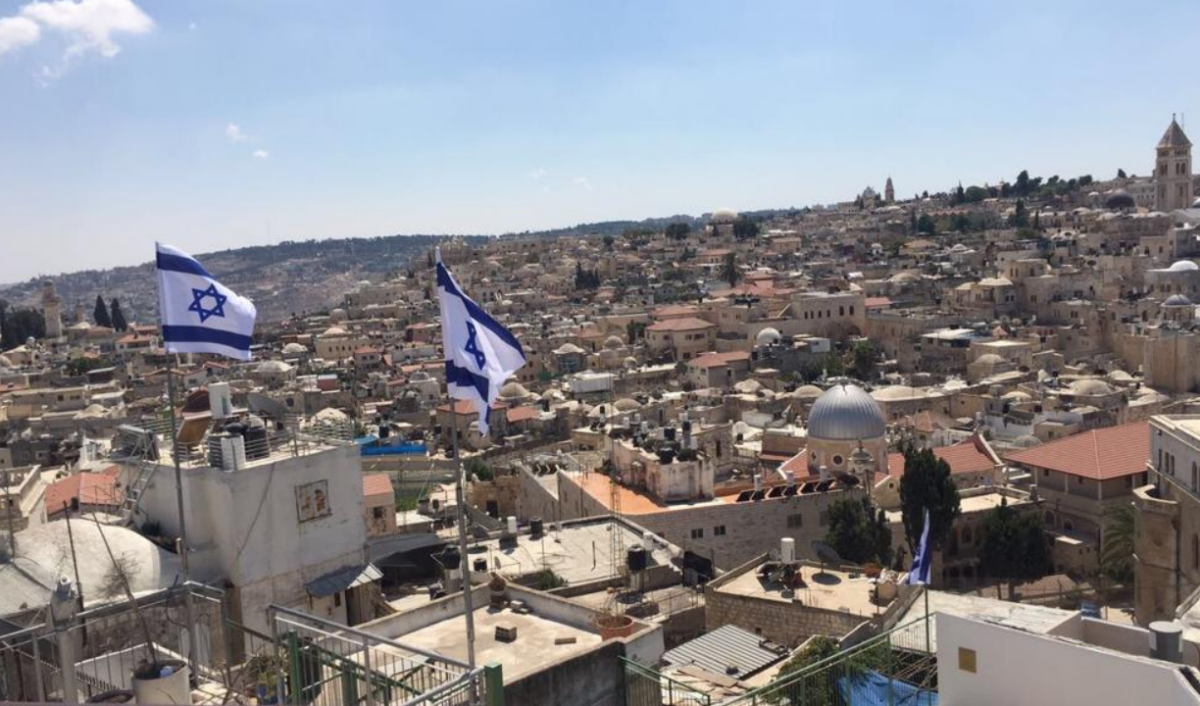
A Growth Oriented City
In its list of sin-offerings, the Torah has a unique introduction. Instead of beginning with the usual contingent situation of “if a person sins,” the Torah begins with the phrase “asher nasi yecheta” which would normally be translated: “when the leader sins.” Rashi, though, following a rabbinic reading, says that the word “asher” in this […]
Explore more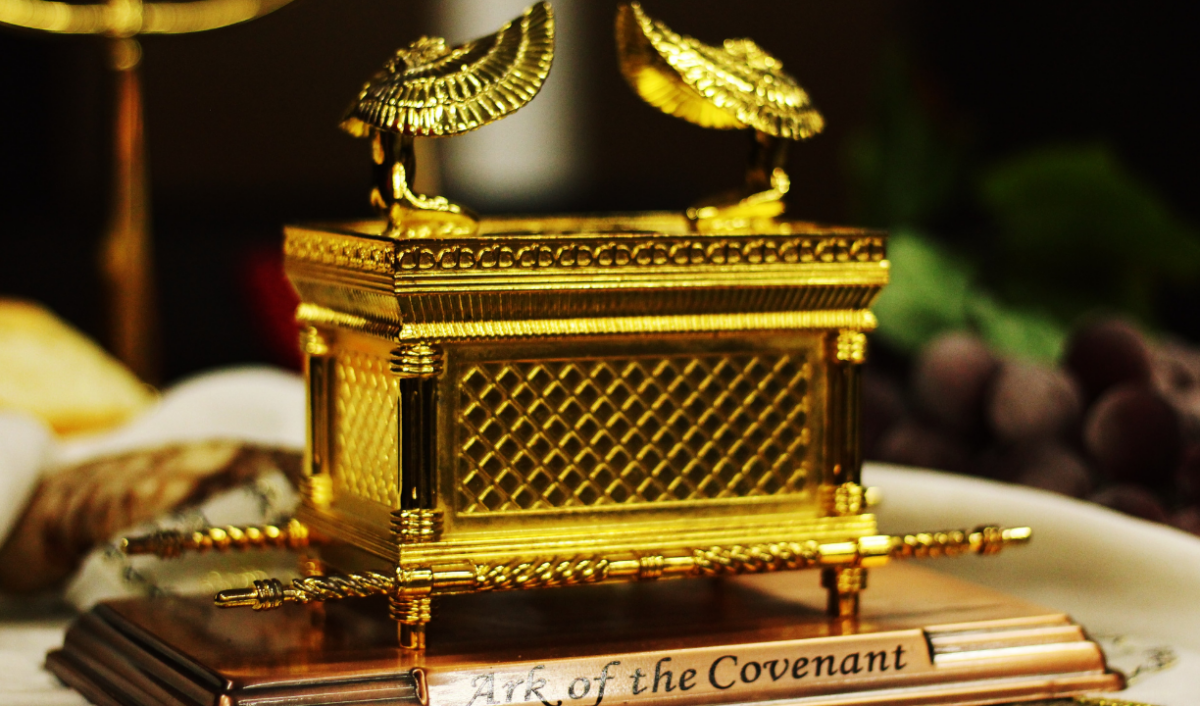
The Jewels of Jerusalem
Our parsha contains a fairly public display of wealth and donations. In the beginning of parshat Pekudei, Moshe Rabbeinu makes a reckoning of all of the money and items donated to the Mishkan and it amounts to an impressive amount. This ceremony seems to go against the thrust of the Talmud’s wisdom of not flaunting […]
Explore more
The Waters of Jerusalem
An observant Jew washes his or her hands many times throughout the day: upon waking up in the morning, before prayers, before eating bread, after using the bathroom, etc. The rabbinic term for this process is “netilat yadayim.” Despite the ubiquitous nature of this name, at first glance it does not seem to fit the […]
Explore more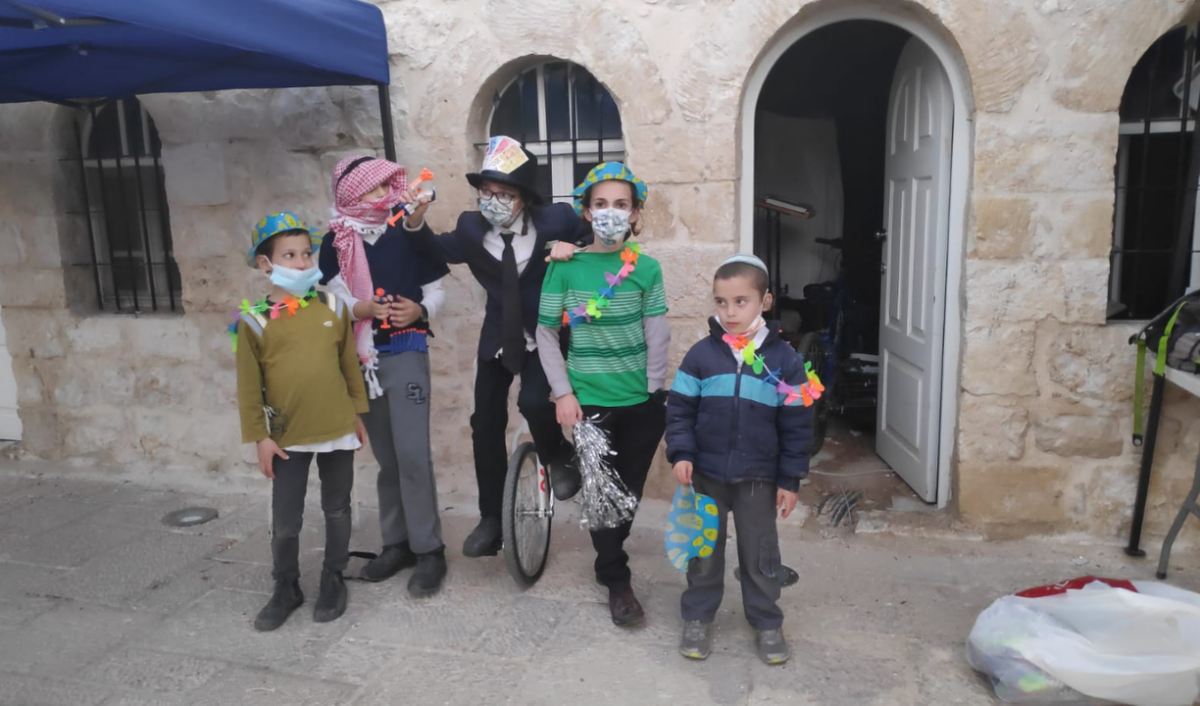
Purim and the Journey to Jerusalem
In Megilat Ester, Haman is introduced fairly abruptly. All of a sudden, in the beginning of chapter 3, we read that the King appointed Haman to be his viceroy and then within a few verses Haman is plotting the decimation of the entirety of the Jewish people. Who was this Haman? What is his backstory? […]
Explore more
Full Person Remembering
This week we will God willing fulfill the mitzvah of remembering Amalek. The source of this mitzvah is the verse: “Remember what Amalek did to you on your journey, after you left Egypt.” Intuitively, one would think that memory is a cognitive function and this mitzvah can be fulfilled through concentrating one’s thoughts on the […]
Explore more
Freeing Jerusalem
This week’s parsha is brimming with case studies in monetary law. The Torah discusses the laws of damages, deposits, loans and other such cases. At first glance these laws might appear as a dull follow up to the Giving of the Torah at Sinai and the Ten Commandments. There, God himself appeared to the Jewish […]
Explore more
What Begins In The Desert…Ends In Jerusalem
Parshat Yitro represents the beginning of God’s true covenant with the Jewish people. While He made promises to the forefathers and took the Jewish people out of Mitzrayim, the true relationship between God and the people themselves is cemented at Sinai when He gave them the Torah and they accepted to live by its tenets. […]
Explore more
Jerusalem The Beautiful
In the beginning of the celebratory song sung by the Jewish people on the shores of the Yam Suf, they sang: “This is my God ve-anveihu, the God of my forefathers and I will make Him great.” While the intention is clearly to praise God, the precise meaning of the word “ve-anveihu” is the subject […]
Explore more
A Festival and a Home For God
Two weeks before the Makat Bechorot, God taught the Jewish people the laws of the first Seder night. After detailing where they are supposed to be and what they are supposed to do, the Torah emphasizes that this celebration is to be an annual occurrence for all future generations: “This day shall be to you […]
Explore more